 Hi Boox Popular Magazine 2025
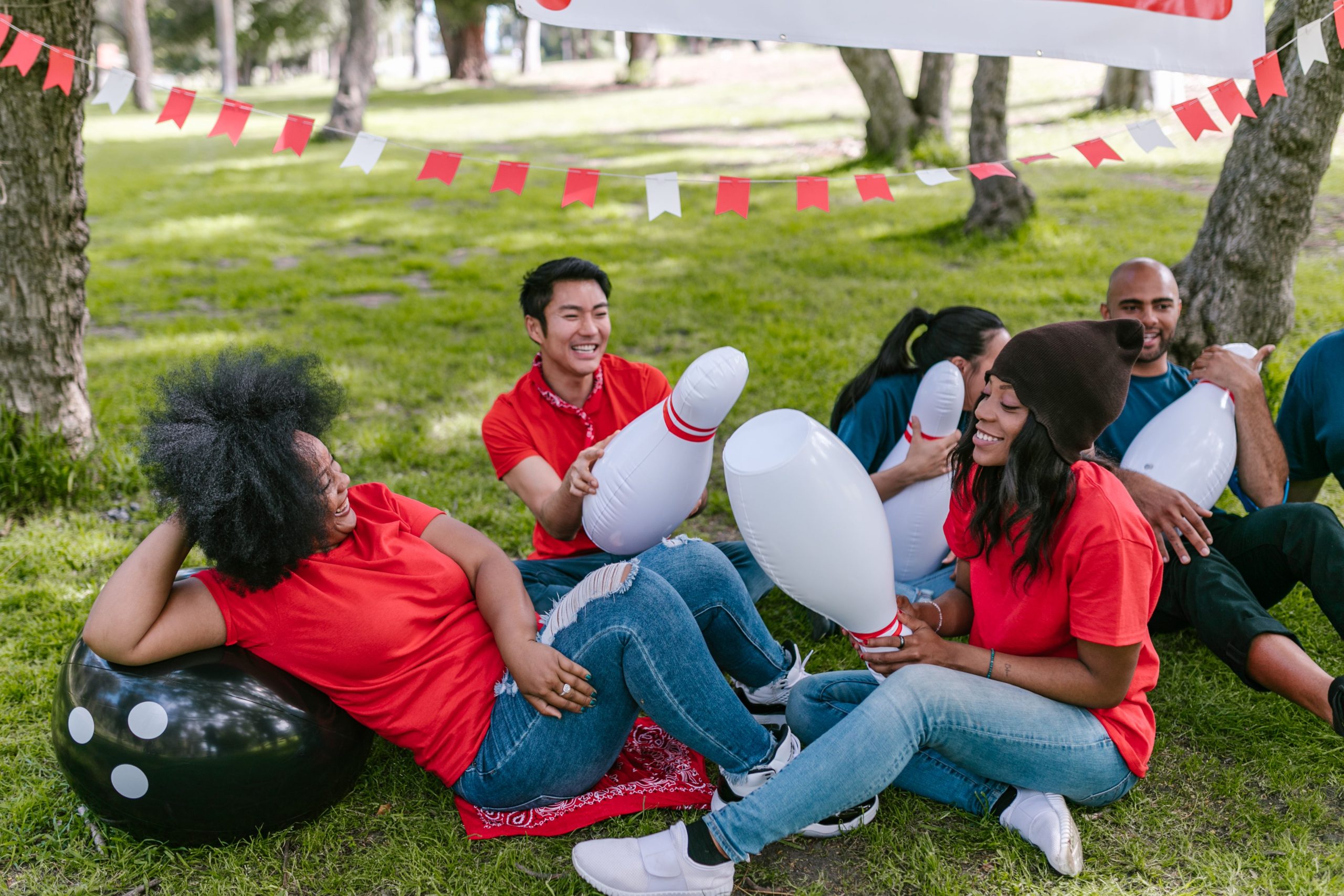
Choosing a team-building activity sounds simple until you remember that no two teams are made up of the same people. One colleague may love competition, another may prefer something creative, while someone else might feel uncomfortable with anything that puts them too visibly in the spotlight. A successful event therefore depends less on picking the activity that looks most exciting and more on understanding the people who will actually be taking part.
The best team-building experiences usually strike a balance. They give energetic employees something to get involved in without making quieter team members feel excluded, and they create opportunities for communication without forcing people into situations that feel awkward or artificial. That means personality should play a real part in the planning process.
Start With the Team You Actually Have

It is easy to plan an event around an idealised version of a workplace team: sociable, competitive, confident and willing to throw themselves into anything. Real teams are rarely that uniform.
Some people naturally enjoy group activities, while others need time to warm up. There may be new employees, remote workers meeting colleagues in person for the first time, or people from departments that do not usually interact. Seniority can also affect how relaxed employees feel, particularly if managers and junior staff are taking part together.
Before choosing an activity, it is worth thinking about the overall character of the group. A highly competitive sales team may respond well to challenges with clear winners and scoring. A more reflective or creative team might enjoy collaborative problem-solving where success depends on discussion rather than speed.
Consider the Introverts as Well as the Extroverts

Team building can quickly become uncomfortable if it is designed only for the most outgoing people in the room.
Extroverted employees may be perfectly happy with loud games, public performances or activities that require quick interaction with lots of people. Introverted colleagues may prefer smaller groups, clear tasks and opportunities to contribute without having to dominate the conversation.
That does not mean introverts want to avoid team activities altogether. The issue is usually the format rather than the idea itself. Puzzle-based challenges, treasure hunts and structured problem-solving can work particularly well because everyone has a task to focus on. Conversation develops naturally around the activity rather than relying on people making small talk.
The aim should be to create participation, not pressure.
Think About Competitive Personalities
A little competition can add energy to a team event, but it needs to be handled carefully.
Some employees genuinely enjoy chasing a score, racing against another team or trying to win. Others become less comfortable when the atmosphere gets too serious. An activity that encourages friendly rivalry without making the result feel overly important is often the best middle ground.
Team-based competition is usually safer than individual competition because it encourages people to work together rather than constantly compare themselves with colleagues. It also gives different personalities room to contribute in different ways. One person may take the lead, while another notices details, remembers information or keeps the group organised.
The strongest competitive activities make cooperation necessary.
Give Creative Thinkers Something to Work With
Not every team responds best to sport, speed or physical challenges. Creative employees often engage more strongly when there is room for imagination, interpretation or unusual problem-solving.
Activities involving clues, design, storytelling or building something together can reveal strengths that do not always appear during an ordinary working day. Someone who rarely speaks in meetings may suddenly become central to the group because they see a solution nobody else has considered.
This is one of the less obvious benefits of choosing the right activity. Team events can reveal different sides of people and change how colleagues see one another.
A person known only for their formal job role might turn out to be highly persuasive, naturally organised or excellent at motivating others.
Avoid Activities That Exclude People
Physical ability, age, confidence and accessibility should all be considered before an event is booked.
A demanding outdoor challenge may sound exciting, but it can immediately exclude anyone who cannot participate comfortably. Even apparently simple activities may be unsuitable for someone with mobility restrictions, hearing difficulties or another accessibility requirement.
The same principle applies to alcohol-centred events. While drinks may be part of some workplace social occasions, an activity built entirely around alcohol can make some employees feel excluded for personal, cultural, religious or health reasons.
Inclusive planning does not mean removing all excitement. It simply means choosing an activity where everyone has a genuine route to participate.
Match the Event to the Objective
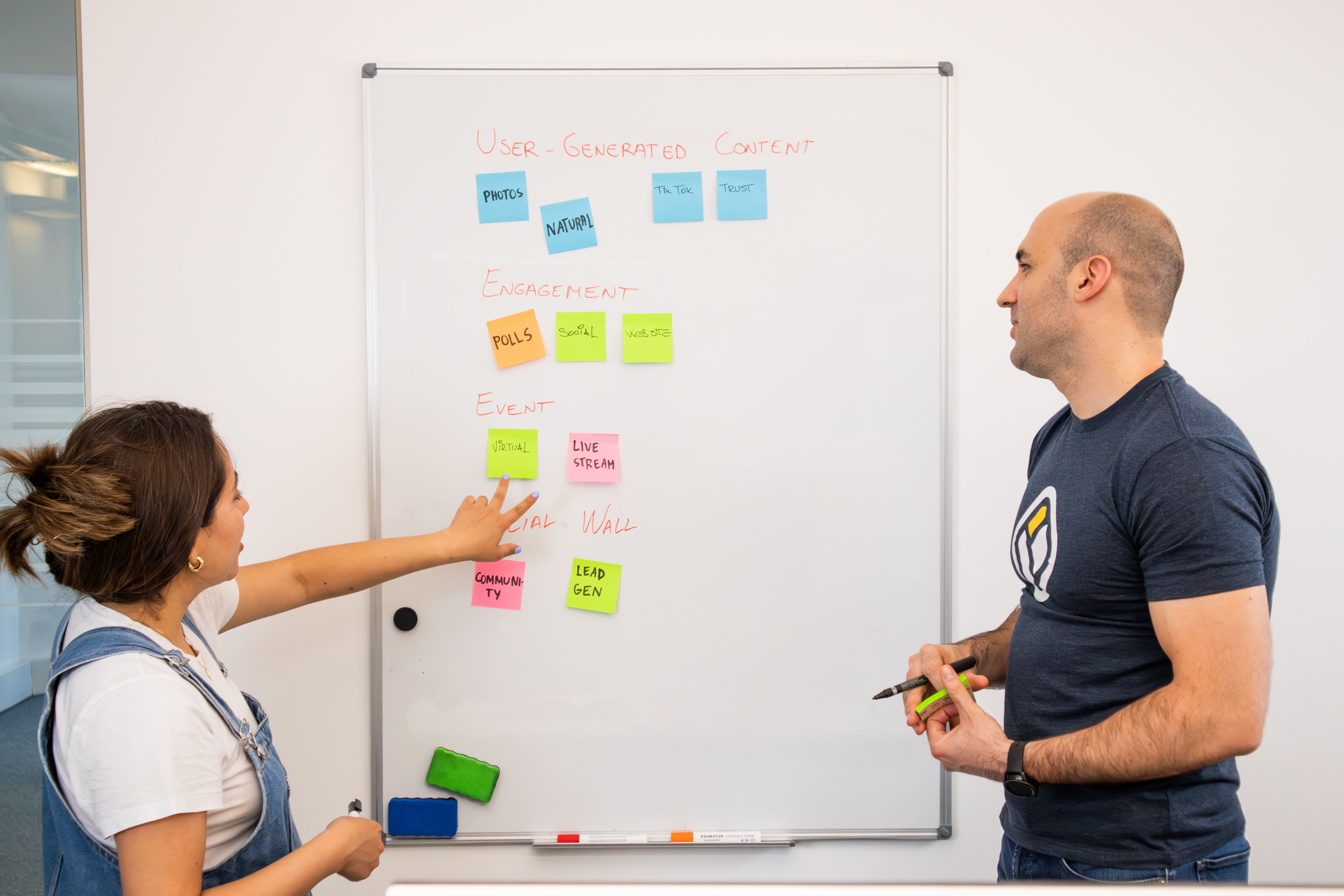
Personality is important, but so is the reason for organising the event in the first place.
A newly formed team may benefit from something relaxed that encourages conversation. A long-established team might enjoy a more ambitious challenge. If several departments need to improve communication, mixed-group activities can deliberately bring people together who rarely work alongside one another.
The objective should help narrow the options.
If the goal is communication, choose something that requires information sharing. If the aim is morale, prioritise enjoyment and low pressure. If leadership development matters, a challenge with different roles and decision-making opportunities may be more useful.
Trying to achieve everything at once can make an event feel overengineered.
Look for Activities With More Than One Way to Contribute
One of the most reliable ways to cater for different personalities is to choose an activity that requires several types of skill.
This is where experienced providers can help. Companies such as The Big Smoke Events offer hosted team experiences that combine elements such as problem-solving, communication, observation and friendly competition. Activities with that kind of variety tend to give more people a chance to contribute rather than rewarding only one particular personality type.
A good team event should allow the confident speaker to contribute without dominating, give the analytical thinker something useful to solve and leave space for quieter colleagues to play a meaningful role.
Variety makes the event more inclusive and usually more interesting as well.
Do Not Force the Fun
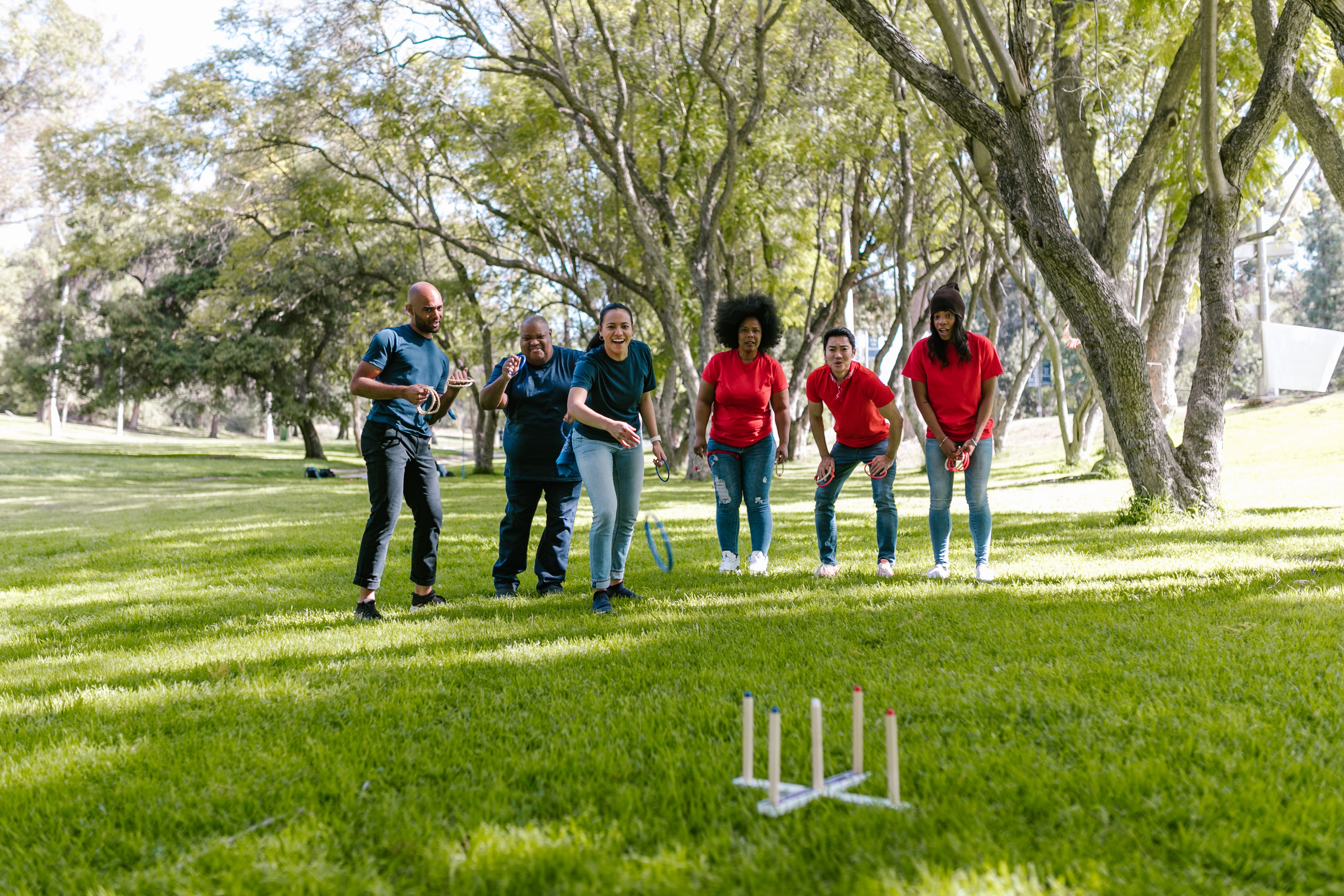
One of the quickest ways to make team building unpopular is to insist that everyone should be enjoying themselves in exactly the same way.
Some employees will throw themselves into an activity immediately. Others may take longer to become comfortable. Allowing people to participate in their own way can create a much more relaxed atmosphere.
The host or organiser has an important role here. Clear instructions, sensible team sizes and a welcoming tone can make a major difference. People are more likely to engage when they understand what is expected and do not feel judged for being less enthusiastic than someone else.
Good team building should create opportunities for connection rather than demand them.
The Right Activity Feels Natural
There is no single team-building format that works for every group. The most successful events are usually those that reflect the personalities, abilities and working relationships already present within the team.
Choosing well means looking beyond what appears impressive in photographs and thinking about how employees are actually likely to respond.
A team full of different personalities is not a problem to solve. In fact, that variety is often where the greatest value lies. The right activity gives people different ways to contribute, helps colleagues notice strengths they may not have seen before and creates interaction without making it feel forced.
When the balance is right, team building stops feeling like an obligation and starts feeling like a genuinely enjoyable shared experience.