 Hi Boox Popular Magazine 2025
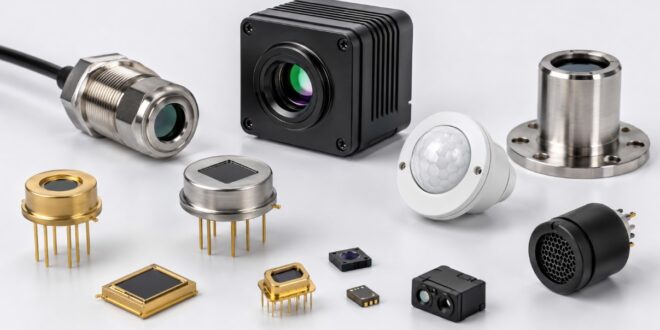
Thermal sensors significantly boost security systems by detecting heat emitted from living beings, thus outperforming traditional video surveillance and minimizing false alarms.
Within smart homes, infrared sensors intelligently optimize energy consumption by modifying heating and cooling based on actual occupancy, yielding savings of 15-20% on energy costs.
When it comes to building inspections, thermal cameras serve as effective tools for identifying heat loss and insulation failures. This helps property owners achieve notable energy savings and realize a quick return on investment.
Moreover, incorporating infrared sensors into HVAC systems can lead to energy reductions of up to 30% by adjusting dynamically to real-time occupancy data.
Pyroelectric detectors are particularly valuable, offering heightened sensitivity and versatility across applications, from medical devices to automotive safety, without requiring calibration for consistent functionality.
In retail, thermopile technologies allow for tailored climate control and real-time analysis of consumer behavior, ultimately enhancing customer satisfaction while optimizing energy usage.
Revolutionary Applications of Thermal Sensors in Motion Detection
How Thermal Sensors Are Enhancing Security Systems
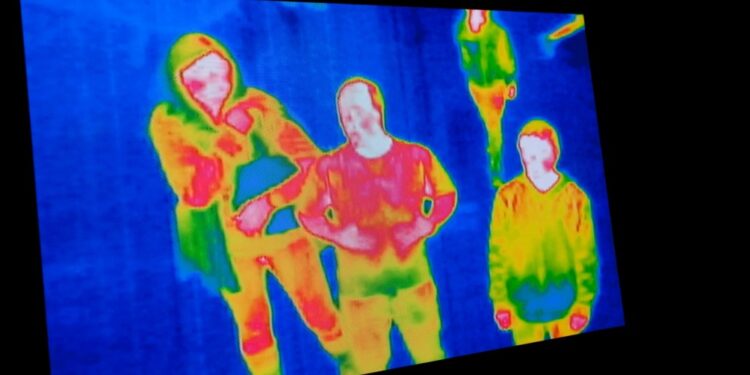
Thermal sensors are causing a stir in the security systems sector. By leveraging infrared technology, these devices identify heat emitted by individuals and animals, even in total darkness. This feature enables real-time monitoring and substantial improvements over conventional video surveillance. Professionals underscore the ability of thermal imaging to significantly reduce false alarms, as these sensors are adept at distinguishing living beings from inanimate objects.
In high-security environments like airports or military bases, integrated thermal sensors prove indispensable. They find application in diverse areas, from perimeter security to safeguarding sensitive infrastructure. Interestingly, they also function effectively under various environmental conditions—fog, rain, or snow—where standard systems often fail.
- Detecting unauthorized entry via thermal footprints.
- Enabling automated surveillance drones for expansive monitoring.
- Improving response times in emergencies.
Clearly, these devices are not only effective in isolation but also enhance existing security frameworks. Consider this: as criminal activities grow more sophisticated, security measures must adapt correspondingly. That’s where thermal sensors truly excel.
The Impact of IR Sensors on Smart Home Technology
As residences evolve into “smart” spaces, the adoption of infrared (IR) sensors is skyrocketing. These sensors deliver a variety of functions—be it climate control, automated lighting, or comprehensive security systems. Clients often report heightened comfort levels due to the ability of IR sensors to modify heating and cooling based on actual occupancy.
Additionally, the tracking of energy usage in real time is transforming home management. Integrating thermal sensors into current smart home setups enables homeowners to achieve substantial savings on energy bills. Research highlights that homes equipped with smart technologies often see a 15-20% reduction in energy expenses. It’s a smart combination of comfort and cost savings.
- Automated energy management solutions.
- Enhanced security through motion-activated notifications.
- Adaptive lighting systems in relation to natural light.
“Smart homes equipped with thermal sensors aren’t just convenient; they signify a new standard of energy efficiency.”
This trend is no fleeting fashion. As consumers grow increasingly conscious of their energy footprints, the smart home technology featuring thermal sensors will most certainly lead future innovations.
Maximizing Energy Efficiency – The Role of Thermal Sensors
Targeting Heat Loss – Thermal Cameras in Building Inspections
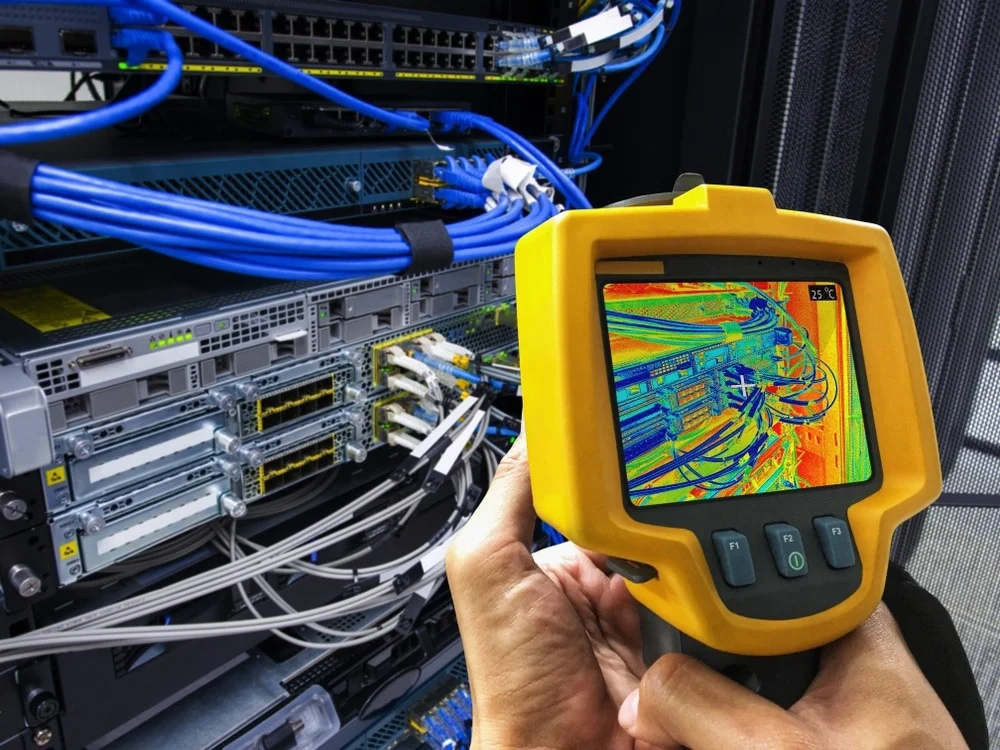
Using thermal cameras for building inspections has revolutionized how professionals detect heat loss. Experts advocate for such inspections to be a vital component of energy audits. Unlike traditional methods that may miss subtle energy leaks, thermal cameras excel at identifying inefficiencies with remarkable precision.
During inspections, thermal cameras reveal temperature variations, enabling property owners to uncover problems hidden behind walls or ceilings. Professionals assert that addressing these issues promptly can yield substantial energy savings, often resulting in a return on investment (ROI) within just a few months.
- Pinpointing insulation failures.
- Identifying air leaks around windows and doors.
- Evaluating HVAC systems for operational issues.
The conclusion is clear: property owners utilizing thermal camera technology not only bolster their energy efficiency but also foster a more sustainable living environment. This dual focus is particularly vital in an increasingly sustainability-driven world.
Integrating IR Sensors in HVAC Systems for Optimization
Heating, ventilation, and air conditioning (HVAC) systems account for a considerable portion of energy consumption in buildings. The integration of IR sensors directly into these systems presents an innovative solution that is widely praised by experts. By reacting to real-time occupancy data, HVAC systems can adjust to demand efficiently.
This innovative integration fosters significant energy conservation. For instance, areas that aren’t actively in use can be automatically adjusted to conserve energy, curbing waste. Recent studies indicate that buildings that implement intelligent HVAC technologies report energy reductions of up to 30%.
- Smart thermostats responsive to temperature variations.
- Automated ventilation adjusted to occupancy levels.
- Utilization of zoned HVAC systems for customized comfort.
“The future of HVAC systems resides in their ability to evolve from reactive to proactive, thanks to IR sensor technology.”
As the demand for energy efficiency grows, thermal sensor integrated into HVAC systems will become indispensable, driving efficiency and reducing costs.
Exploring Next-Gen Pyroelectric Detectors – What’s New?
The Science Behind Pyroelectric Sensing Technology
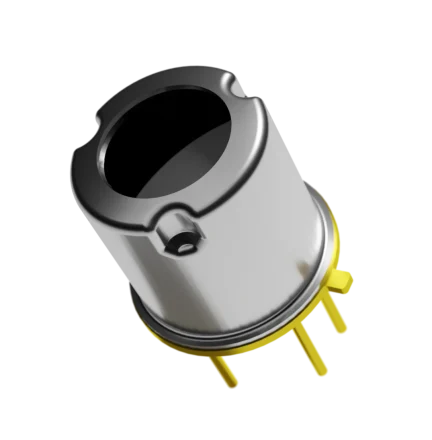
Pyroelectric detectors harness unique materials that create an electrical charge in reaction to temperature changes. This principle has not only refined motion detection but has also transformed applications across numerous fields. Their compact design grants enhanced versatility for deployment.
What differentiates these detectors is their remarkable sensitivity to infrared radiation. Unlike traditional sensors which might require calibration for optimal operation, pyroelectric sensors ensure reliability across a variety of settings. Their potential spans from medical devices to security applications.
- Compact integration within mobile devices.
- Application in environmental monitoring and disruption detection.
- Use in automotive safety systems.
Given these insights, the potential appears vast. As industries continue to innovate, the demand for efficient, high-performance sensors is likely to surge, propelling the adoption of pyroelectric technology to unprecedented levels.
Industry Case Studies – Successful Deployments of Pyroelectric Sensors
Exploring real-world case studies reveals the practical advantages of these sensors. In the automotive industry, manufacturers have successfully employed pyroelectric detectors for occupant detection in vehicles. This not only elevates safety but also improves fuel efficiency by optimizing air conditioning based on occupancy.
Additionally, in manufacturing contexts, companies harness these sensors to boost conveyor systems through instantaneous motion detection. The data logs generated help in refining system performance and maintenance schedules, resulting in notable operational efficiencies and significant process streamlining.
- Occupant detection in vehicles to enhance safety.
- Improved motion detection in automated manufacturing frameworks.
- Real-time analytics for predictive maintenance.
“Implementing pyroelectric sensors turns blind spots into strategic advantages.”
The key takeaway here is profound. Organizations embracing pyroelectric sensors are not merely cutting operational costs; they’re also boosting overall efficiency across diverse operations.
The Future of Thermopile Detectors – Insights and Innovations
Comparison of Thermopile vs. Traditional Sensors – A Performance Review
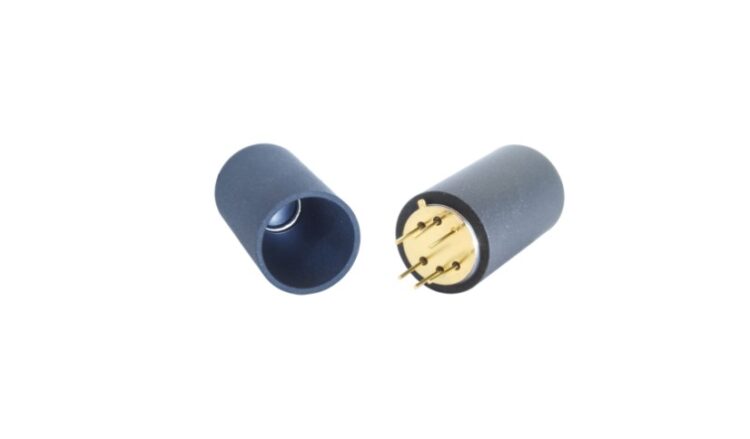
When comparing thermopile detectors with traditional sensors, the performance disparities become strikingly apparent. Thermopile detectors offer an expanded spectral range and greater sensitivity, enabling more versatile applications. While traditional sensors may provide data, thermopile detectors enhance overall accuracy through superior thermal resolution.
Take energy management systems, for example. Traditional sensors often fall short in precision, whereas thermopile detectors deliver detailed feedback that facilitates effective decision-making. Businesses that utilize thermopiles frequently report heightened energy savings alongside improved thermal comfort.
- Superior thermal detection capabilities compared to traditional sensors.
- Increased accuracy in varying environmental conditions.
- Broad applications across multiple sectors.
Ultimately, grasping the nuances between these sensors can set the groundwork for smarter implementations across different industries. Organizations should contemplate adopting thermopile detectors to stay competitive in the rapidly changing landscape of energy-efficient technology.
Emerging Trends in Thermopile Technology for Retail Applications
The retail sector stands to benefit significantly from advances in thermopile technologies. Foot traffic analysis, dynamic pricing models driven by customer movement, and climate control systems that respond to shopper density are just a few possibilities. These sensors equip retailers with essential data to continuously adapt to consumer behaviors.
With the rising focus on data-driven decision-making, thermopiles provide meaningful insights into shopping interactions, enhancing the overall customer experience while informing sales strategies. Retailers employing these sensors can create in-store conditions that respond to real-time data, leading to optimized energy consumption and resource management.
- Tailored climate control based on customer density.
- Real-time insights into shopping behaviors facilitating better inventory management.
- Enhanced customer satisfaction through responsive environments.
“In retail, actionable data transforms insights into competitive benefits.”
It’s this blend of technology and thoughtful consideration for customer experience that will characterize the future of retail. As thermopile technologies progress, businesses that overlook these advancements may risk missing essential opportunities.