 Hi Boox Popular Magazine 2025
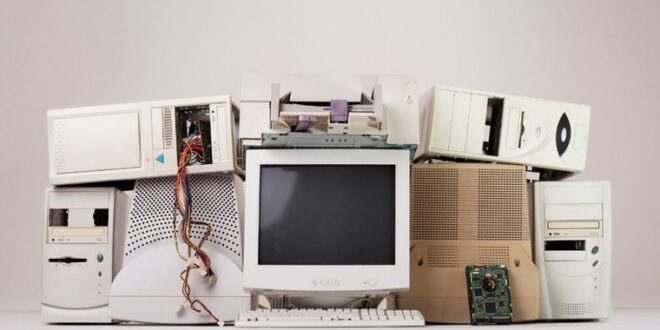
Buying new technology has an obvious psychological appeal. A new machine feels safer, faster and more future-proof than something from an earlier generation. In consumer electronics, that assumption is often reinforced by advertising that treats each new release as a significant step forward.
Business hardware is more complicated. A newer machine is not automatically a better machine, particularly when a buyer is comparing budget new equipment with older enterprise-grade systems. Processor generation is only one part of the picture.
Memory capacity, storage options, component quality, expandability and the original class of the machine can all matter just as much.
For businesses trying to stretch an IT budget, judging hardware by age alone can therefore be an expensive mistake.
Enterprise Hardware Starts From a Different Point
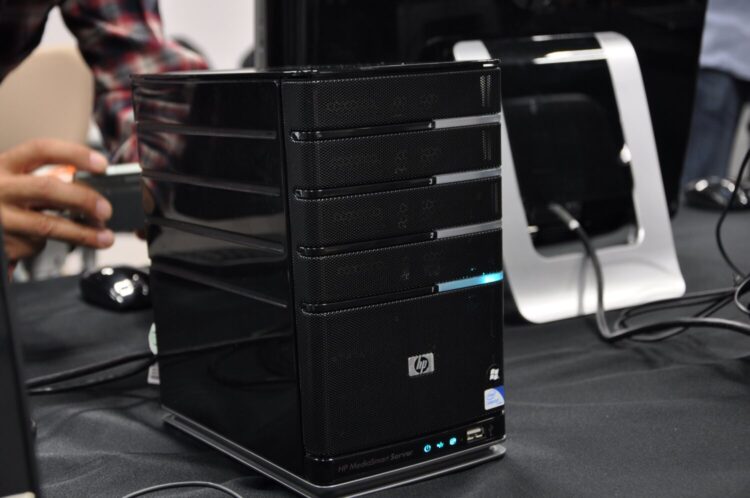
A server or workstation originally designed for business use is built with a different purpose from a low-cost machine aimed at basic tasks. Enterprise systems are expected to run demanding workloads, remain operational for long periods and support upgrades or component replacement over their useful lives.
That does not mean every older enterprise machine will outperform every new computer. It does mean that comparing the two purely by release date misses an important part of the story.
Imagine, for example, a business choosing between a modest new server with limited memory and an older enterprise model equipped with considerably more RAM, multiple drive bays and stronger expansion options.
The newer machine may have a more recent processor architecture, but the older system could still be much better suited to virtual machines, file storage or applications that rely heavily on memory.
The useful question is therefore not, “Which one is newer?” It is, “Which one is better equipped for the job?”
Specifications Need to Match the Workload
Different business tasks place very different demands on hardware. A small file server does not need the same resources as a machine hosting multiple virtual environments. A backup server has different priorities from a database server, and a test environment may not justify the same investment as a system supporting a critical customer-facing application.
That makes specification-based buying essential.
Memory is a good example. A newer processor offers little comfort if the system does not have enough RAM for its intended workload. The same applies to storage. A cheap new machine may have adequate capacity when first purchased but provide limited options for adding drives later.
Expansion is particularly easy to overlook. Businesses tend to think about what they require now, even though infrastructure purchases may remain in use for several years. A system that can accommodate additional memory, storage or networking hardware may prove more valuable over time than a cheaper machine with little room to grow.
This is one of the reasons refurbished enterprise equipment continues to attract attention.
Suppliers such as EuroPC offer previous-generation business hardware that can provide specifications which would be substantially more expensive to obtain in a brand-new system.
The attraction is not simply that the hardware costs less; it is that a fixed budget may buy a considerably more capable configuration.
New Does Have Advantages
None of this means businesses should avoid new hardware. There are perfectly good reasons to choose it.
A brand-new system may offer improved power efficiency, newer connectivity standards, manufacturer support and access to processor features that did not exist in previous generations.
Certain software may also require newer hardware or benefit substantially from recent architecture improvements.
For critical environments, the latest manufacturer support can be particularly important. Some organisations have policies that require equipment to remain within defined support windows, while others may need specific certifications or compatibility guarantees.
The mistake is not buying new. The mistake is assuming that new automatically provides the best value without comparing what the business actually receives for its money.
A £1,500 budget, for example, can produce very different outcomes depending on whether it is spent on an entry-level new machine or a refurbished system that originally occupied a much higher tier of the market.
The appropriate choice will depend on workload, support requirements and expected lifespan rather than the date printed on the specification sheet.
Condition Matters More With Refurbished Equipment
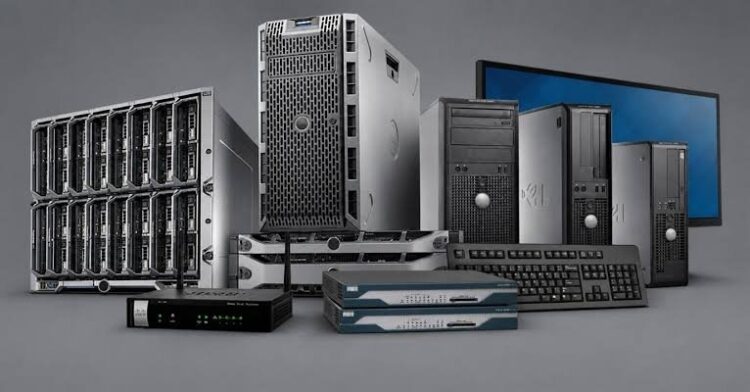
The strongest argument against older hardware is usually reliability. Buyers understandably worry that equipment which has already been used may have less life remaining.
That concern makes the refurbishment process important. There is a significant difference between purchasing an unknown used server from a private seller and buying equipment that has been inspected, tested and prepared for resale by a specialist supplier.
Businesses considering refurbished hardware should pay attention to several areas: the warranty being offered, the seller’s testing process, return arrangements, component condition and how clearly the specification is described.
These factors provide a better indication of the purchasing risk than the word ‘refurbished’ on its own.
Drives deserve particular consideration because storage devices experience mechanical or electronic wear depending on their type.
Businesses may decide to purchase a refurbished server chassis and install new drives, for example, combining the value of older enterprise hardware with fresh storage for important data.
There is no single configuration that works for every organisation. The point is to assess each component according to how critical it is.
Older Hardware Can Sometimes Be Easier to Upgrade
Another advantage of enterprise-grade equipment is that it is often designed with servicing and expansion in mind. Servers may provide accessible drive bays, multiple memory slots, redundant power supplies and room for additional cards.
By comparison, some inexpensive modern systems achieve their low price partly through restricted expandability. They may be perfectly adequate at purchase but become difficult to improve later.
For a growing business, that distinction can matter enormously. A machine that costs slightly more today but accepts significantly more RAM later may avoid a complete replacement when requirements increase. Likewise, spare drive bays can make adding storage much simpler.
Upgrade potential is effectively part of the specification and should be considered alongside processor speed and current memory capacity.
Performance Per Pound Is a Better Measure
Technology buying is often distorted by simple labels: new versus refurbished, current generation versus previous generation, budget versus premium. Those categories are convenient, but they do not necessarily describe value very well.
A more useful measure is performance per pound spent.
If two systems can comfortably perform the same workload, the lower-cost option may free money for software licences, backup systems, security improvements or additional infrastructure.
If an older high-spec system can perform significantly more work for the same budget, its age becomes less important provided reliability and support requirements are satisfied.
Conversely, a cheap machine is not good value merely because the purchase price is low. If it reaches its limits within a year and must be replaced, the apparent saving disappears quickly.
Businesses therefore need to think beyond the initial invoice. Expected workload, upgrade potential, warranty, support and anticipated years of service all contribute to the real cost of ownership.
Buy for the Job, Not the Date

The pace of technological change can make perfectly capable hardware appear obsolete long before it has stopped being useful. New generations will always arrive, accompanied by faster processors and improved features, but businesses do not receive value from technology simply because it is recent.
They receive value when the hardware reliably performs the work required of it.
For some organisations, that will absolutely justify buying the latest systems. For others, a previous-generation enterprise server with stronger specifications may deliver considerably better value than a basic new alternative.
The smartest comparison therefore starts with the workload, not the model year. Determine how much processing power, memory and storage are required, consider how those needs may change, establish the necessary support level and then compare the machines capable of meeting those requirements.
Once hardware is judged on what it can actually do rather than how recently it was manufactured, older high-spec equipment stops looking like a compromise. In the right circumstances, it can simply be the better machine.