 Hi Boox Popular Magazine 2025
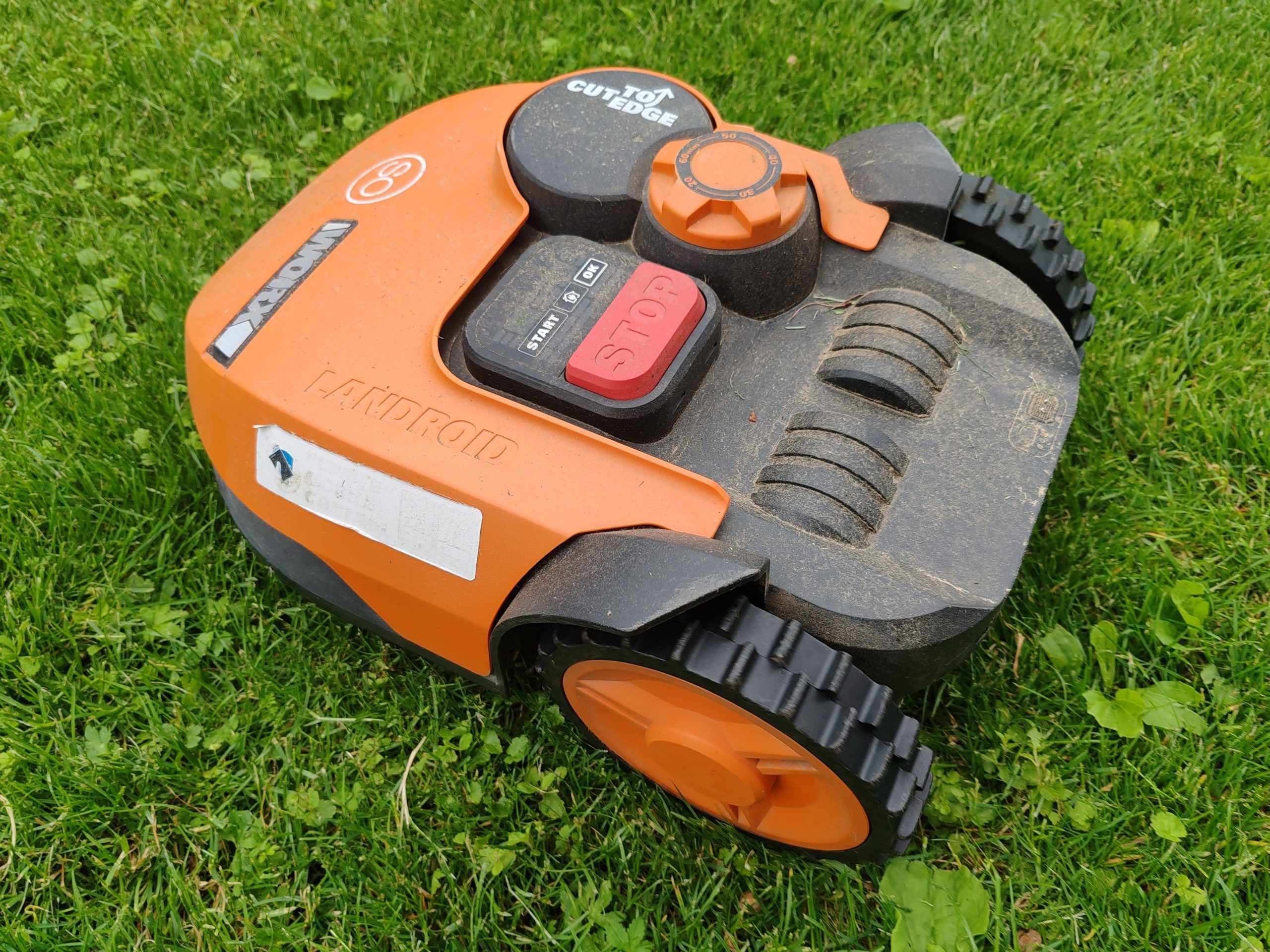
A robotic lawnmower sounds like the perfect solution to one of gardening’s most repetitive jobs. Buy the machine, set it up, and enjoy watching the grass take care of itself while you spend your weekends doing something more interesting. It’s an appealing idea, particularly for anyone with a large lawn or a busy schedule. However, while robotic mowers can significantly reduce the amount of time spent cutting grass, the purchase price is only one part of the financial picture. Like any piece of garden machinery, these devices have ongoing costs that deserve consideration before you commit to buying one.
The good news is that many of these expenses are relatively modest, particularly when compared with running and maintaining certain conventional lawnmowers. Others can be more substantial, depending on the machine, the garden and how long you intend to keep it. Understanding what ownership actually involves makes it easier to establish whether robotic mowing represents genuine value for money or simply offers a more convenient way of maintaining the lawn.
The Purchase Price Is Only the Beginning
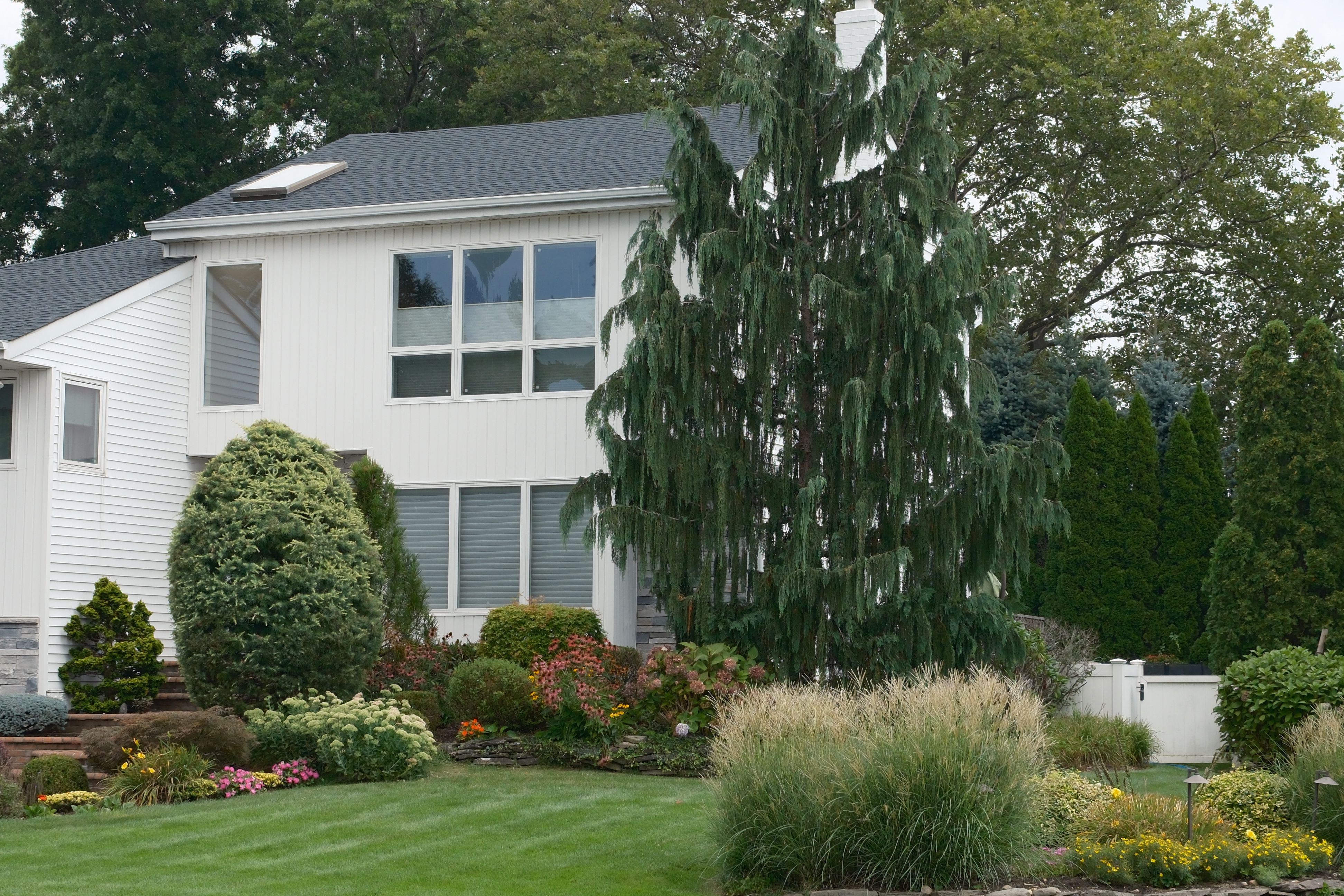
Robotic lawnmowers are available across a wide range of price points, from relatively affordable models designed for smaller gardens to sophisticated machines capable of maintaining extensive or complicated lawns. The difference in cost isn’t simply a reflection of brand reputation. More expensive models may incorporate advanced navigation systems, greater mowing capacity, improved obstacle detection and the ability to manage challenging terrain.
It’s tempting to assume that a premium model will always be the better investment, but that depends entirely on the garden. Someone with a small, level lawn may gain little from paying extra for technology intended to navigate steep slopes or multiple complicated mowing zones. Conversely, choosing a cheaper machine that struggles with the property’s layout could lead to frustration, additional maintenance and an eventual replacement purchase.
The most economical decision is usually to identify the capabilities genuinely required and choose a machine that can handle them comfortably. It’s worth considering not only the size of the lawn but also the gradient, number of obstacles, layout and expected mowing frequency.
A mower operating near the limit of its recommended capacity may require longer working periods to maintain the grass, especially during periods of rapid growth. Selecting a model with reasonable capacity for the job can therefore be more practical than focusing exclusively on the lowest initial price.
Installation: A Cost That Can Easily Be Overlooked
One of the first additional expenses buyers may encounter is installation. Some robotic lawnmowers can be set up relatively easily by the owner, while others require more involved preparation.
Traditional boundary-wire systems use a cable positioned around the lawn to define the mowing area. Depending on the model, additional wiring or guides may be needed to help the machine navigate its working space. Installing these components yourself can reduce upfront costs, although larger or more complicated gardens may require considerable time and careful planning.
Professional installation offers convenience and can help ensure that the mower is correctly configured from the beginning. However, the price will depend on factors such as lawn size, complexity and the equipment involved.
Wire-free robotic mowers remove the need for a conventional perimeter cable, but that doesn’t necessarily mean installation is completely effortless or cost-free. Some models require a suitable reference station or other positioning equipment, while others rely on compatible wireless connections, mapping procedures or subscription-based services.
Before purchasing, buyers should establish exactly what’s included in the advertised price. Charging stations, navigation accessories and installation services aren’t necessarily supplied under identical arrangements across manufacturers.
Electricity: How Much Does Regular Robotic Mowing Cost?
One concern that frequently arises is whether allowing a robotic lawnmower to operate regularly will significantly increase household electricity bills.
Fortunately, many robotic mowers are relatively energy-efficient compared with larger powered garden equipment, although actual consumption varies according to machine size, battery capacity, working conditions and mowing frequency.
A compact robot maintaining a modest lawn will generally have different energy requirements from a larger machine operating across several thousand square metres. Grass length, slopes and difficult terrain can also influence how much energy the mower uses.
Rather than relying on broad claims about low running costs, buyers can make a more informed estimate by checking the manufacturer’s published electricity consumption figures where available. These may be expressed as estimated monthly energy consumption for a particular lawn area.
Multiplying the relevant kilowatt-hour figure by the household electricity tariff provides an approximate running cost. It won’t account for every variation in weather and use, but it offers a more useful comparison than assuming all robotic lawnmowers consume the same amount of electricity.
For most buyers, electricity is unlikely to be the only significant ongoing expense. Replacement components, servicing and eventual battery replacement may have a greater influence on the total cost of ownership.
Replacement Blades and Routine Maintenance
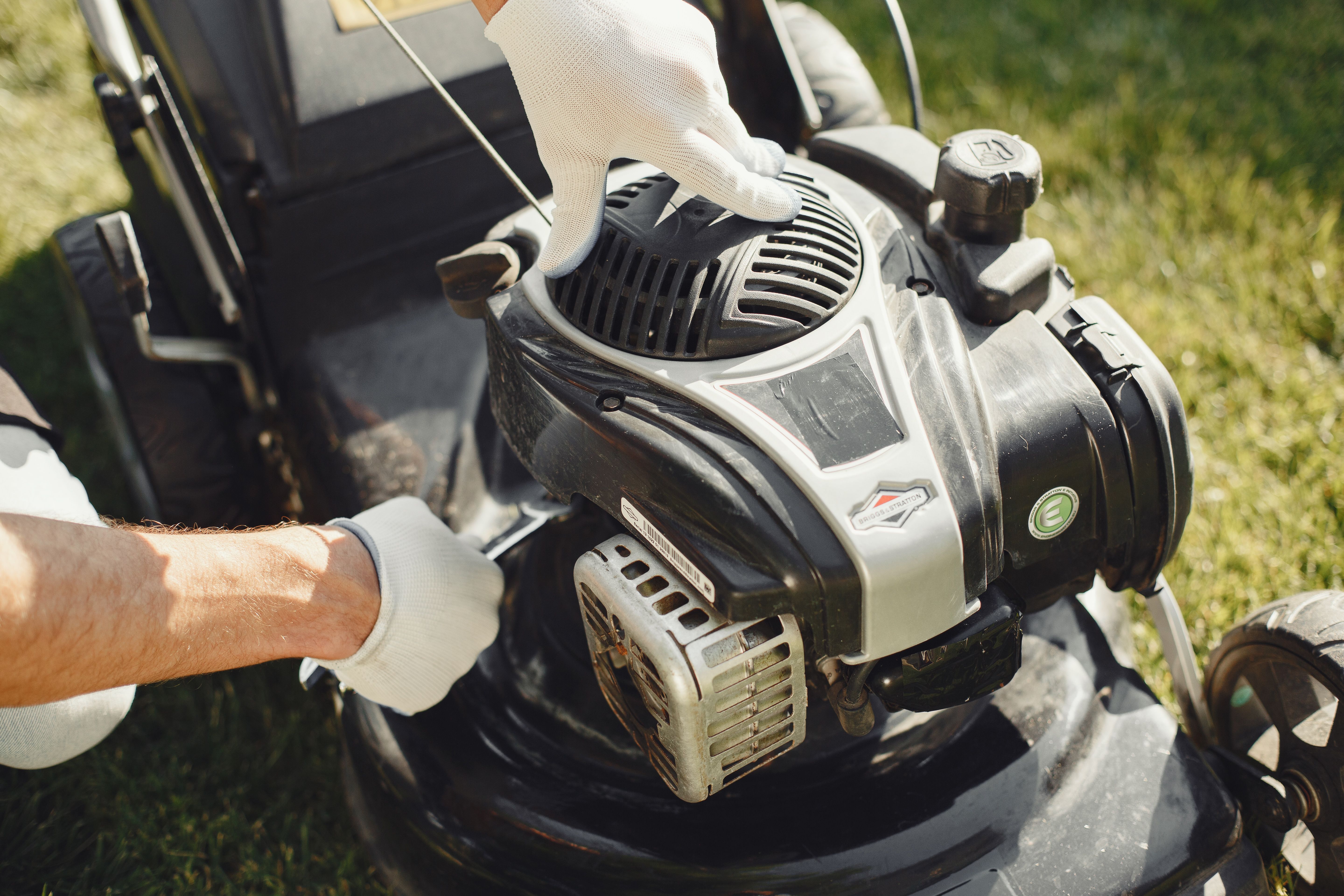
Although robotic lawnmowers eliminate much of the physical work associated with cutting grass, they aren’t maintenance-free.
Their cutting systems need regular attention to maintain consistent performance. Many machines use small replaceable blades, which gradually become blunt through normal use. Others incorporate different cutting arrangements with their own maintenance requirements.
How frequently blades need replacing depends on the mower’s design, operating hours and lawn conditions. A machine working in an area containing sand, twigs or other abrasive debris may experience faster wear than one operating on a clean, well-maintained lawn.
Replacement blades are generally a predictable ownership expense, but their cost and recommended replacement frequency vary by manufacturer. Buyers should check the price of genuine or manufacturer-approved parts before selecting a machine, particularly if the mower will be operating for extended periods.
Cleaning also remains important. Grass clippings and dirt can accumulate around the cutting mechanism, wheels and sensors, potentially interfering with performance if left unattended. Regular inspections and careful cleaning according to the manufacturer’s instructions can help maintain reliable operation.
Garden machinery suppliers such as Garden Machinery Direct offer buyers the opportunity to compare robotic mowing equipment, making it worthwhile to consider maintenance requirements and the availability of replacement parts alongside the initial purchase price.
A machine that’s straightforward to maintain and supported by readily available components may offer better long-term value than one with a slightly lower purchase price but more expensive or difficult-to-source parts.
The Battery: The Expense Buyers Should Plan For
Rechargeable batteries are central to robotic lawnmower operation, and their eventual replacement is one of the more important long-term expenses to consider.
Most modern robotic mowers use lithium-ion battery technology, which offers useful energy density and repeated recharging capability. However, all rechargeable batteries gradually lose capacity as they age and accumulate charging cycles.
Over time, a mower may need to return to its charging station more frequently or spend less time cutting between charges. Eventually, replacing the battery may become necessary to maintain practical performance.
There’s no universal replacement interval because battery longevity depends on factors including quality, usage, temperature, storage conditions and charging management. A mower maintaining a small lawn may experience different demands from one operating for extended periods throughout the growing season.
Replacement costs also vary considerably between models. Some batteries are relatively straightforward to replace, while others may require professional attention or specialist components.
Before buying, it’s worth investigating whether replacement batteries are available, how much they cost and whether the manufacturer expects owners to arrange professional installation.
Proper winter storage and following the manufacturer’s battery care guidance can also help avoid unnecessary deterioration.
When Repairs Become Part of the Equation
Robotic lawnmowers operate outdoors, often for long periods, and are exposed to moisture, dirt, changing temperatures and occasional obstacles. Although they’re designed for these conditions, faults can still develop.
Wheel motors, sensors, charging contacts and other components may eventually require attention. Boundary-wire systems can experience cable damage, while navigation systems may encounter problems if essential equipment is disturbed or damaged.
Warranty coverage can provide valuable protection, but buyers should understand its limitations. Normal wear, accidental damage and certain consumable components may not be covered under standard warranty terms.
This is one reason why the reputation of the manufacturer and availability of after-sales support deserve consideration. A reliable repair service and accessible replacement parts can make a considerable difference to the practical lifespan of the machine.
It’s also worth asking whether a robotic mower can be economically repaired after several years of ownership. A product that can be serviced and maintained for an extended period may ultimately represent better value than one that becomes uneconomical to repair relatively early.
Comparing the Real Costs With a Conventional Lawnmower
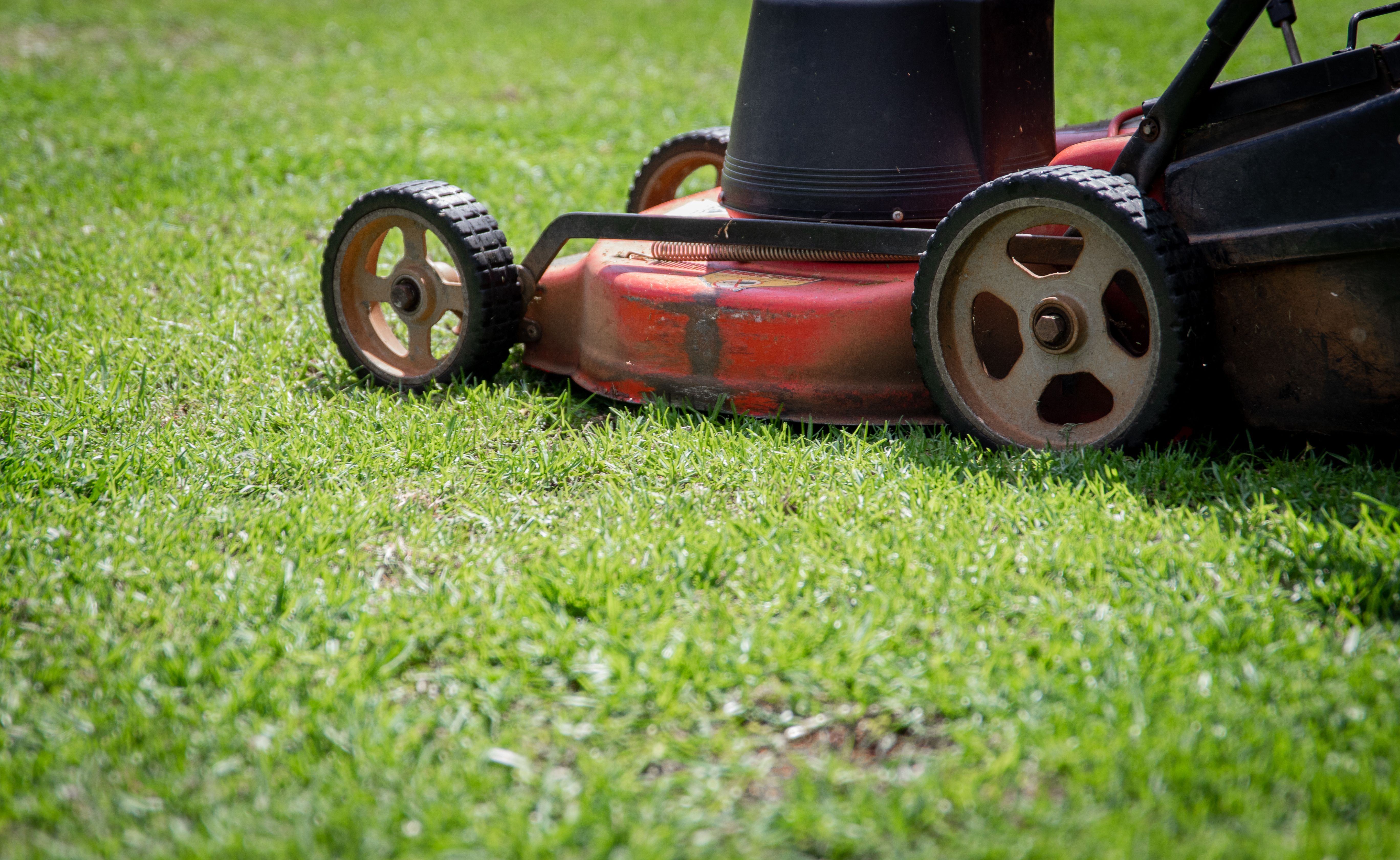
The financial case for robotic mowing becomes clearer when its expenses are compared with those of traditional alternatives.
A petrol lawnmower typically involves ongoing fuel purchases, engine maintenance and occasional replacement components. Depending on the machine, servicing may include oil changes, spark plugs, filters and blade sharpening or replacement.
Corded and cordless electric lawnmowers have different running costs, with electricity, blade maintenance and potential battery replacement among the main considerations.
Robotic mowers avoid petrol engine maintenance, but introduce their own expenses through batteries, blades, electronics and servicing.
For someone who already owns a reliable conventional mower and enjoys cutting the lawn, switching to a robot may not produce a financial saving. In fact, the initial purchase could take years to justify through reduced operating costs alone.
The comparison changes considerably when a homeowner pays a gardening service to maintain the grass. Depending on the frequency and cost of professional mowing, purchasing a robotic machine could reduce recurring expenditure, although edging, trimming and other lawn maintenance may still require attention.
Time also has value, even when it doesn’t appear directly in a household budget. Someone spending several hours each month mowing a large lawn might consider reclaiming that time a worthwhile benefit, regardless of whether the machine pays for itself entirely through monetary savings.
Calculating the Cost Over Five Years
A useful way to compare robotic lawnmowers is to estimate the total expenditure over a realistic ownership period rather than focusing exclusively on the shop price.
For example, imagine a hypothetical robotic mower costing £1,200. Installation adds £150, while blades, electricity and routine maintenance average £65 annually. If the owner also allows £200 for a potential battery replacement during a five-year period, the estimated cost would be £1,875.
These figures are illustrative rather than representative of a specific model. Actual expenses could be considerably higher or lower depending on the equipment, maintenance requirements and whether repairs become necessary.
The example nevertheless demonstrates why comparing purchase prices alone can be misleading. A cheaper mower with expensive consumables or limited repair support might cost more over several years than a higher-quality alternative with lower ongoing expenses.
Buyers can apply the same calculation to conventional equipment, including fuel, electricity, servicing and anticipated replacement costs. If professional lawn care is currently used, the annual cost of those services can also be included.
The objective isn’t to produce a perfectly accurate forecast of every future expense. It’s to understand the financial commitments involved and avoid being surprised by predictable maintenance costs.
Convenience Is Part of the Value
Robotic mowing shouldn’t be assessed purely as an exercise in reducing expenses. Its greatest advantage may be the convenience of having grass maintained regularly without needing to schedule lengthy mowing sessions.
Frequent cutting can help maintain a consistent lawn appearance, while fine clippings returned to the grass may contribute organic material and nutrients as they decompose. Owners can spend more time enjoying their gardens rather than repeatedly completing one of their most time-consuming maintenance jobs.
However, that convenience comes with responsibilities. The lawn still needs monitoring, obstacles may require removal, and some areas will need occasional manual attention. A robotic mower reduces routine mowing work but doesn’t eliminate every aspect of lawn care.
The best purchase is therefore one that balances financial considerations with realistic expectations about the time and effort it will save.
For a homeowner with a complicated or extensive lawn, those savings in personal time may be particularly attractive. Someone with a very small, straightforward garden might find that a conventional mower remains the most economical and practical choice.
Ultimately, understanding the hidden costs of robotic lawnmower ownership isn’t about discouraging buyers. It’s about making sure the decision delivers the benefits they expect. Installation, electricity, replacement blades, batteries and occasional maintenance should all be considered before committing to a particular machine.
A robotic lawnmower can be an excellent investment, but value is measured over years of use rather than at the checkout. Choose a model suited to the garden, investigate its ongoing costs and consider how much the convenience matters to your household. When the numbers and practical benefits make sense together, robotic mowing can offer something genuinely worthwhile: a consistently maintained lawn with considerably less work required from its owner.