 Hi Boox Popular Magazine 2025
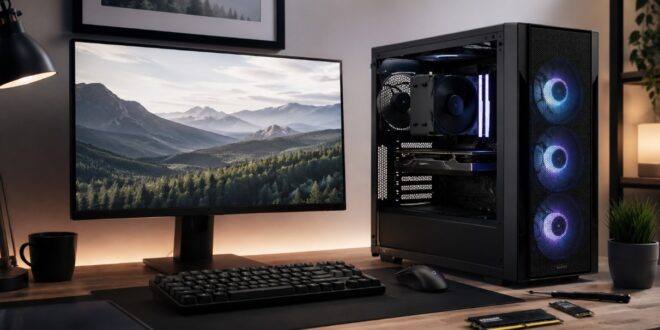
Laptops dominated the conversation for the better part of a decade. Thin, portable, capable enough for most tasks, and easy to carry between home and office. For a lot of people they made sense, and the desktop PC started to feel like something only dedicated gamers or professionals with specific needs bothered with.
That narrative has shifted. Desktop PCs are seeing renewed interest across a broad range of buyers, and the reasons are practical rather than nostalgic. When you sit down and look at what a desktop actually delivers relative to a laptop at the same price, the value case becomes difficult to argue with.
The Value Gap Is Real and It Is Significant
Dollar for dollar, a desktop PC delivers more performance than a laptop. The reasons are straightforward. Desktops do not need to engineer components for battery efficiency or slim form factors. They run full-power versions of processors and graphics cards, use better cooling solutions, and have more room for memory and storage without the thermal compromises that come with cramming everything into a thin chassis.
A mid-range desktop budget gets you a machine that handles demanding workloads, gaming at high settings, video editing, and multitasking without breaking a sweat. The same budget in a laptop buys you portability with performance concessions that become more noticeable as tasks get heavier.
For anyone who works primarily from a fixed location, the tradeoff is obvious. You are paying for portability you are not using.
Upgradeability Changes the Long-Term Math
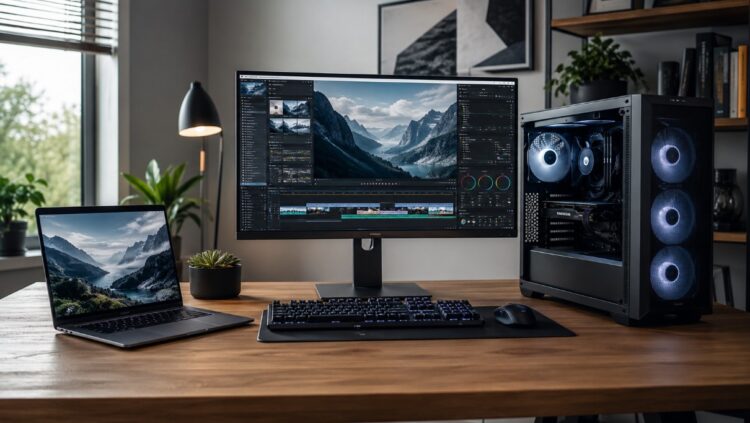
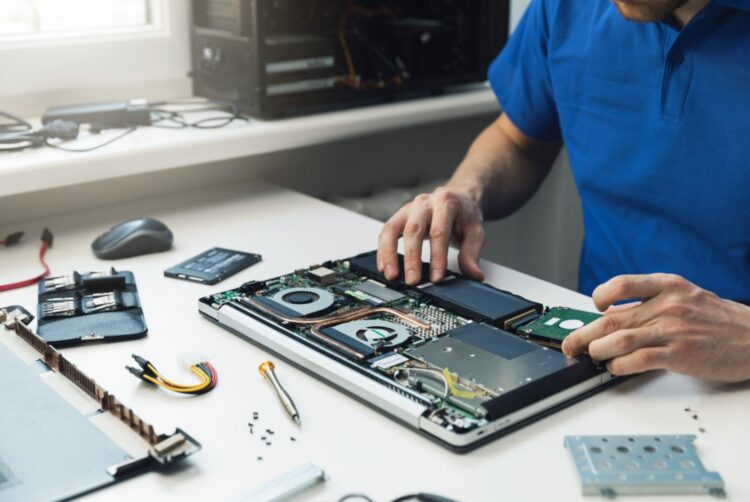
One of the strongest arguments for a desktop is what happens after you buy it. Laptops are largely fixed at the point of purchase. You can sometimes add RAM or swap storage, but the CPU and GPU are soldered in place. When the machine starts to feel slow, your options are limited.
A desktop changes that equation entirely. You can upgrade individual components as needs evolve or budgets allow. Add more RAM when you notice multitasking slowdowns. Drop in a faster GPU when games start demanding more. Swap to a larger, faster storage drive without replacing the whole machine. That upgradeability extends the useful life of a desktop significantly compared to a laptop, which translates directly into better value over time.
Thermals and Sustained Performance
Heat is the hidden enemy of laptop performance. When a thin machine runs demanding workloads for extended periods, thermal management becomes a constraint. CPUs and GPUs throttle their clock speeds to avoid overheating, which means the performance you get under sustained load is often meaningfully lower than the headline specs suggest.
Desktops do not have that problem to the same degree. Larger cases, full-size coolers, and better airflow mean components can run at their rated speeds consistently. For tasks like video rendering, 3D modeling, gaming sessions, or any workload that runs for hours rather than minutes, that sustained performance advantage is real and measurable.
The Gaming Case Is Particularly Strong
Gaming is where the desktop advantage is most pronounced. A desktop at a given budget simply runs games better than a laptop at the same price, with higher frame rates, better thermal headroom, and the ability to drive a high-refresh-rate monitor without the display limitations built into laptop panels.
iBUYPOWER has built its reputation around gaming-focused desktop pcs that are configured and tested specifically for gaming performance, offering pre-built options that remove the complexity of sourcing and assembling components yourself while still delivering the performance advantages that make desktops worth choosing.
Pre-Built vs. Self-Build
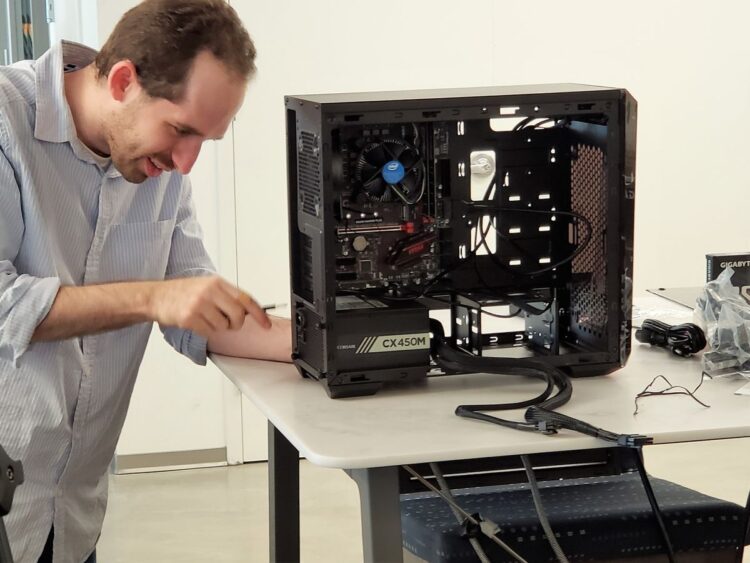
Building your own PC from scratch remains a satisfying option for people who enjoy the process and want complete control over every component choice. But the case for pre-built desktops has strengthened considerably. Component prices, availability, and the time investment required to research, source, and assemble a build all factor into the real cost of going the DIY route.
A well-configured pre-built from a reputable manufacturer is tested before it ships, comes with support if something goes wrong, and in many cases represents competitive value compared to buying individual components separately. For buyers who want the performance of a desktop without the project, a quality pre-built is a genuinely strong option.
Monitors, Peripherals, and the Full Setup
One advantage of committing to a desktop setup is the freedom it gives you with the rest of the workspace. A large, high-quality monitor makes a meaningful difference in how comfortable and productive a workstation feels, and desktops pair naturally with a full peripheral setup without the cable and port limitations that come with laptop docking solutions.
The ergonomics of a proper desk setup, a monitor at eye level, a full-size keyboard, and a mouse on a proper surface, are genuinely better for extended use than working on a laptop screen. For people spending significant hours at a computer, that ergonomic advantage has real long-term value.