 Hi Boox Popular Magazine 2025

A lawn can be healthy, well watered and properly fed yet still look disappointing immediately after mowing.
Uneven stripes, ragged tips, missed patches and areas that appear slightly higher than the rest can all make the finish look untidy, even when the grass itself is in good condition. The mower is often blamed straight away, but the quality of the cut usually depends on a combination of blade condition, mowing technique, cutting height, grass moisture and the general setup of the machine.
Check the Mower Blade for Sharpness and Damage

The first thing to consider is the blade. A sharp blade should slice cleanly through the grass, leaving a neat edge that recovers quickly. Once the blade becomes dull, it starts tearing rather than cutting. The difference may not be obvious while mowing, but it becomes much clearer when you look closely at the grass tips afterwards. Frayed or pale ends are a strong sign that the blade is no longer doing its job properly. Over time, those damaged tips can turn brown and give the whole lawn a slightly scorched appearance.
Blade condition can deteriorate gradually through normal use, but stones, twigs and other debris can accelerate the process. Even if the blade is still sharp enough to cut, damage can affect balance and performance. A bent blade may cut one side of the mowing path lower than the other, creating a striped or stepped effect that becomes more obvious across larger lawns. If the mower has recently struck something solid, it is worth checking the blade and surrounding components before carrying on.
Adjust Cutting Height to Suit the Lawn Surface
Cutting height is just as important. Many people instinctively lower the mower because they want the lawn to look neater for longer, but cutting too low can actually make the finish worse. Grass that is scalped can expose pale stems and soil, especially on uneven ground, while the mower deck is more likely to catch high spots and leave visible patches. A slightly higher setting often produces a greener, more even appearance because the mower is working with the natural shape of the ground rather than against it.
The condition of the lawn surface also plays a part. Even a well-set mower cannot produce a perfectly uniform finish if the ground itself is full of dips, humps or soft areas. Wheels may sink slightly into damp soil, lowering the deck on one side, while high spots can cause the blade to cut more aggressively. If the same areas repeatedly look uneven after mowing, the problem may be the lawn surface rather than the mower. Levelling minor hollows and avoiding very wet ground can make a noticeable difference.
Slow Down and Avoid Mowing Wet Grass
Speed is another factor that is easy to overlook. Moving too quickly can reduce cutting quality because the blade has less time to process the grass passing beneath the deck. This is particularly noticeable when the lawn is long, damp or especially thick. Slowing down gives the mower a better chance to lift and cut each blade evenly. It may take a little longer, but the result is usually cleaner and more consistent.
Wet grass creates several problems at once. It tends to bend rather than stand upright, which means some blades escape the first pass and then spring back later. Wet clippings also stick to the underside of the deck, where they can interfere with airflow and clog discharge areas. The result is often a patchy finish with clumps left behind. Whenever possible, mowing once the grass has dried is one of the simplest ways to improve cut quality without changing anything else.
Keep the Underside of the Mower Deck Clean
The underside of the mower deserves regular attention for similar reasons. Grass clippings gradually build up around the deck, especially when mowing in damp conditions. As this material accumulates, it can restrict airflow and stop the mower from lifting the grass properly before cutting it. A dirty deck may also lead to uneven clipping distribution, which can make some areas appear rougher than others after mowing. Keeping the underside clear helps the machine perform closer to the way it was designed to.
Change Mowing Direction and Overlap Each Pass
Mowing pattern can affect the appearance as well. Following exactly the same route every time encourages grass to lean in one direction and can gradually create wheel tracks. Alternating the direction of mowing from one session to the next helps grass stand more upright and reduces repeated pressure on the same areas. It can also improve the visual finish by preventing the lawn from developing a permanent grain.
The width of each pass matters too. It can be tempting to use the full cutting width with no overlap, but this increases the chance of leaving narrow strips of uncut grass between passes. A small amount of overlap is usually enough to prevent this. The aim is not to cover half the previous line again, but simply to ensure the edges of each pass meet cleanly.
How to Achieve Straighter, More Consistent Lawn Stripes
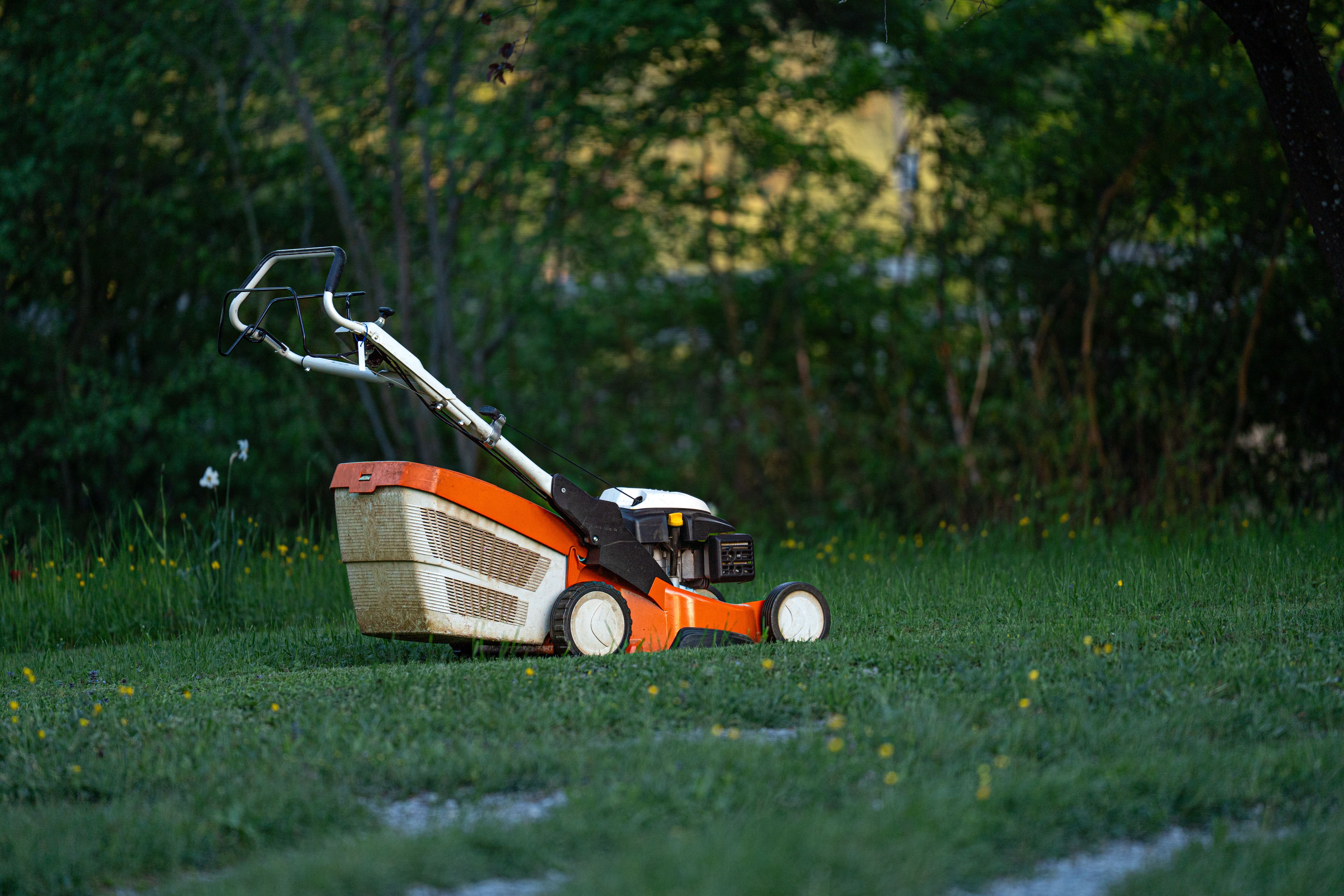
For striped lawns, consistency becomes even more important. The mower needs to travel in straight lines at a steady pace, and the roller or rear wheels need to press the grass evenly. Sharp changes in speed or direction can create broken or distorted stripes. If the lawn is irregularly shaped, it may help to establish a main direction and work outwards from that rather than changing angle repeatedly.
Check Mower Alignment and Use the Correct Replacement Parts
The general condition of the mower should not be ignored either. Loose wheels, worn bearings or a deck that is no longer level can all affect the cut. If one side of the mower sits lower than the other, the blade will naturally produce an uneven finish. This may be difficult to spot by eye, so checking tyre pressures where relevant, wheel height settings and deck alignment can help rule out mechanical causes.
When replacement parts or maintenance become necessary, using components designed for the specific mower model is important. A blade that is the wrong length, shape or fitting can affect safety as well as performance. Suppliers such as Ron Smith can be useful when matching the correct blade or service parts to a particular machine, especially when the existing component is worn or damaged beyond practical sharpening.
Cut Longer Grass Gradually for a More Even Finish
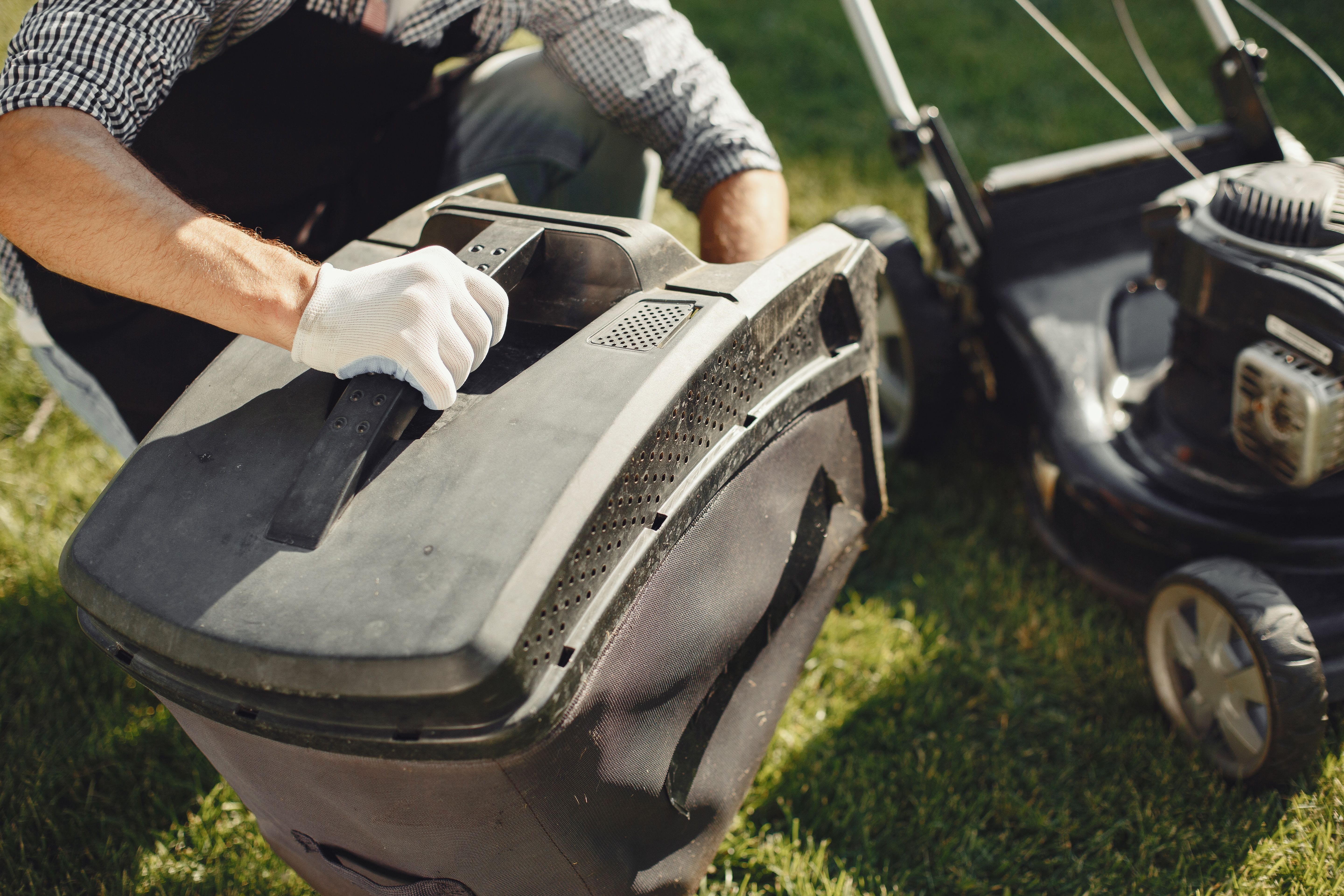
Grass length before mowing has a major influence on the final result. If the lawn has grown particularly tall, trying to bring it down to the desired height in one session often leads to a rough finish. Long grass can fold over, clog the mower and leave heavy clippings across the surface. It is usually better to make an initial cut at a higher setting, allow the grass to recover and then lower the height gradually over subsequent cuts.
This gradual approach is especially useful during spring, when growth can be rapid, or after a period when mowing has been delayed. Removing too much at once not only affects appearance but also places unnecessary stress on the grass. A lawn that has been shortened gradually is more likely to remain dense and green.
Choose the Right Time of Day for Mowing
The time of day can matter as well. Early morning grass may still be damp with dew, while mowing during intense midday heat can stress the lawn. Late morning or early evening, once the surface has dried but temperatures are less extreme, often provides better conditions. The mower can work more efficiently and the grass experiences less shock.
Maintain Your Mower and Adjust to Seasonal Conditions
Regular maintenance ties all of these factors together. A mower that is checked occasionally rather than only when something goes wrong will usually produce a more consistent finish. Blade condition, deck cleanliness, wheel settings and general wear can all be reviewed as part of routine servicing. Small adjustments made early can prevent a gradual decline in performance that might otherwise go unnoticed.
It is also worth resisting the temptation to expect every cut to look identical. Weather, growth rate and soil conditions change throughout the season, so the mower may need slightly different settings at different times of year. Spring grass can be thick and vigorous, summer grass may need to be left longer during dry spells, and autumn growth often becomes softer and wetter.
A clean, even cut is therefore less about one perfect mower setting and more about keeping the machine and mowing approach in balance with the condition of the lawn. Sharp blades, sensible height adjustment, clean equipment, steady speed and dry mowing conditions all contribute to a better result. When those basics are right, the lawn usually looks neater immediately and stays healthier between cuts.