 Hi Boox Popular Magazine 2025
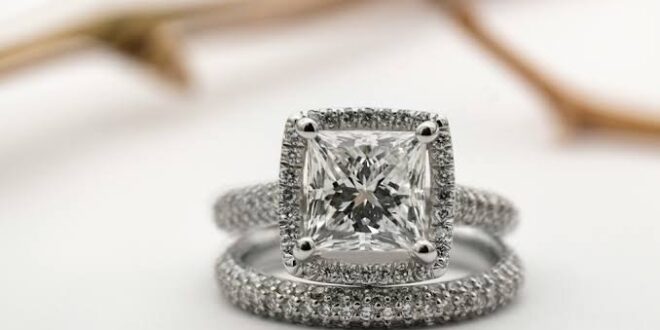
Two rings can look almost identical in a jewellery shop and still behave very differently when it comes to resale. To the eye, both may feature a bright central stone, a polished precious-metal band and a similar overall design.
Yet one may retain a meaningful proportion of its value while the other falls sharply once it leaves the retailer.
The reason is that resale value is shaped by far more than appearance. What matters later is not just whether a ring looks attractive, but what the stone actually is, how it is certified, which materials have been used, whether the brand carries secondary-market demand and how easily another buyer can assess the piece with confidence.
That distinction is especially important now that natural and lab-grown diamonds can be visually very similar. For buyers, the difference may not matter at all at the moment of purchase. For resale, it can matter a great deal.
The Stone May Look the Same but the Market Does Not Treat It the Same
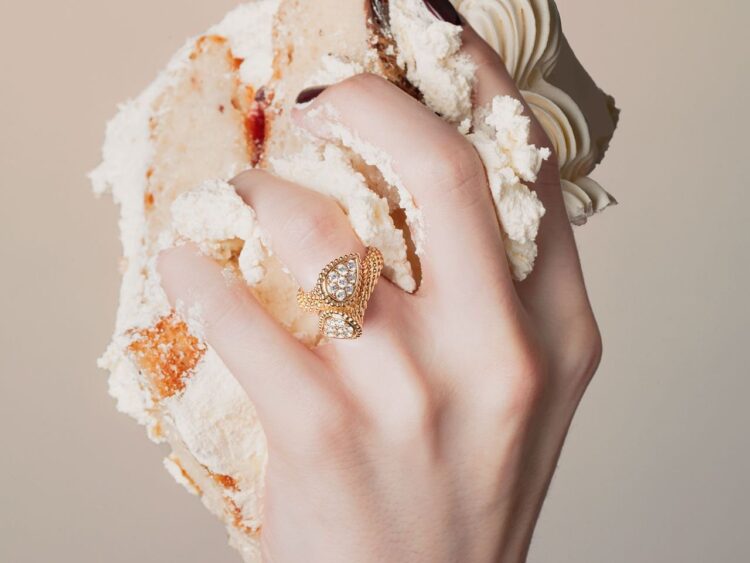
Natural and lab-grown diamonds share many of the same physical characteristics, and a high-quality lab-grown stone can be visually indistinguishable from a natural one without specialist equipment.
From a resale perspective, however, origin changes the equation.
Natural diamonds are finite and have a long-established market behind them. Lab-grown diamonds can be produced in increasing quantities, and improvements in manufacturing have contributed to falling production costs over time. That makes their long-term resale profile different.
This is one reason specialists such as Edinburgh Asset Finance distinguish carefully between the two when considering value.
A ring may look just as impressive on the finger, but rarity, market depth and future buyer demand can produce very different outcomes once the owner decides to sell.
The key point is not that one type is automatically “better”. It is that beauty and market value are not the same thing.
Certification Can Make a Big Difference
One ring may come with a recognised grading report while another may have no independent documentation at all.
That matters because a future buyer wants certainty. A proper certificate can confirm the carat weight, colour, clarity and cut of a diamond, helping to establish exactly what is being sold.
Without that evidence, the next buyer or valuer has more work to do. They may need to inspect the stone independently, and uncertainty can affect the price they are willing to offer.
Documentation is therefore part of the value proposition. It does not change the physical ring, but it changes how easily the ring can be assessed and traded.
For expensive jewellery, keeping certificates, receipts and original paperwork can be surprisingly important.
Retail Price Includes More Than the Ring Itself
One of the biggest misunderstandings around jewellery is assuming that the original purchase price equals the underlying market value.
Retail prices can include brand positioning, marketing, presentation, store overheads and margin. When the ring enters the second-hand market, many of those elements disappear.
The next buyer is not paying for the original showroom experience. They are assessing the stone, the metal, the condition and the desirability of the piece as it stands.
This is why a ring purchased for several thousand pounds may be worth significantly less if sold relatively soon afterwards. The reduction can feel dramatic, but it often reflects the difference between retail value and resale value rather than any sudden change in the jewellery itself.
Brand Can Add Value, but Not Always
Some names carry real weight in the secondary market.
A ring from a recognised luxury jewellery house may attract stronger demand because buyers associate the brand with quality, design and prestige. Certain collections or discontinued styles may even become particularly sought after.
However, brand value is not guaranteed. Not every expensive label performs strongly second-hand, and fashion can shift over time.
Two rings with similar stones can therefore sell for different amounts simply because one has stronger brand recognition. That premium may survive resale to some extent, but buyers should not assume the full retail mark-up will be recovered.
The same is true of distinctive design. A highly unusual ring may be desirable to the right buyer but harder to sell quickly if tastes are niche.
The Metal Matters More Than Many Buyers Realise
The band itself contributes to value.
Gold and platinum have intrinsic worth, and the purity and weight of the metal can help support a ring’s resale price. Two visually similar settings may therefore differ in value if one contains a higher proportion of precious metal.
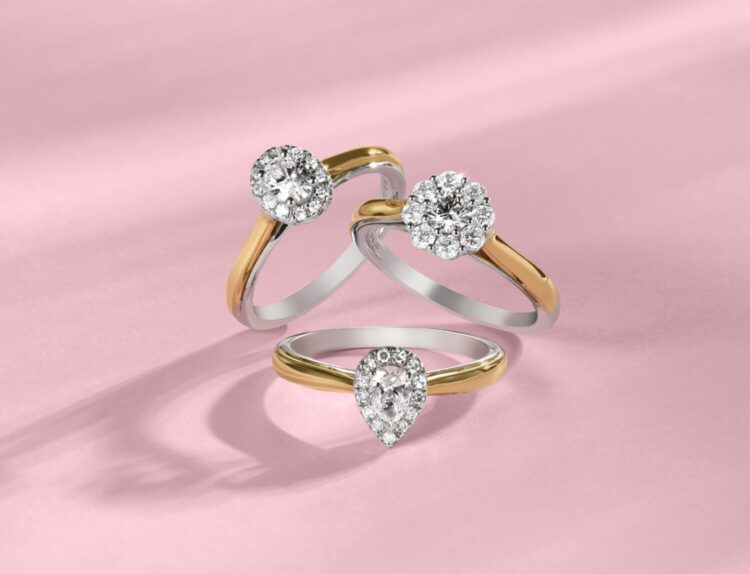
White gold, yellow gold, rose gold and platinum can all create a similar polished appearance depending on the design, but their underlying material values differ.
This does not mean a heavier ring is automatically a better investment. Workmanship, design and stone quality still matter. It does mean that the setting is not merely decorative.
For resale, the ring is assessed as a combination of components rather than as one visual object.
Condition Can Change the Price Quickly
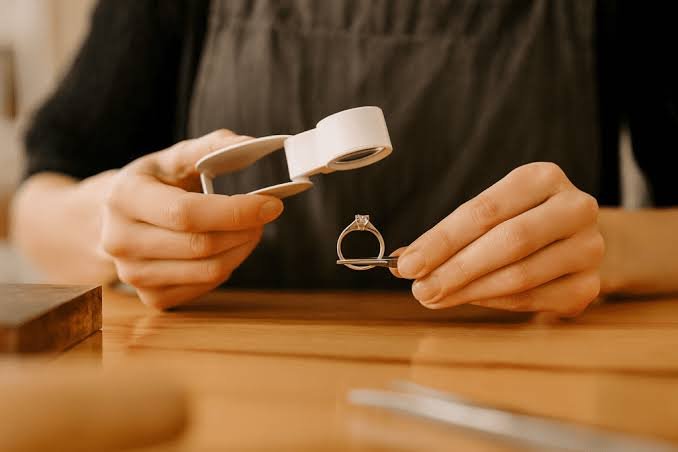
Jewellery is designed to be worn, and wear leaves evidence.
Scratches, damaged claws, chipped stones, worn settings and previous repairs can all affect resale value. A ring that looks attractive at a glance may require work before it can be sold again.
That cost is often reflected in the price offered.
Regular maintenance can therefore help preserve value. Checking settings, cleaning professionally where appropriate and dealing with damage early may reduce the risk of more expensive deterioration later.
Original presentation can help too. Boxes and paperwork do not transform a poor-quality piece into a valuable one, but they can make a complete, well-kept item more attractive to buyers.
Fashion Has a Financial Effect
Jewellery trends change.
A style that was highly desirable twenty years ago may feel dated today, while another design may return to popularity after decades out of fashion.
This creates another reason why similar rings can perform differently on resale. One may fit current tastes while another needs to wait for the right buyer.
Classic designs often have an advantage because their appeal is less dependent on a particular trend. Highly fashionable pieces can command strong prices when they are current but may fall more sharply when tastes move on.
For someone buying primarily to wear, this may not matter at all. For someone who expects to sell later, broader market appeal deserves more attention.
Liquidity Is Part of Value
A ring can be “worth” a certain amount in theory and still be difficult to sell at that price.
Liquidity matters because value is only useful when a buyer can actually be found.
A standard certified diamond in a popular setting may be easier to sell than an unusual piece that needs a specialist audience.
This is another reason two similar-looking rings can produce very different outcomes. The one with clearer documentation, stronger demand and a more familiar design may attract buyers quickly, while the other could require time or a significant discount.
Resale value is therefore not just about appraisal. It is about marketability.
Looks Are Only the Starting Point
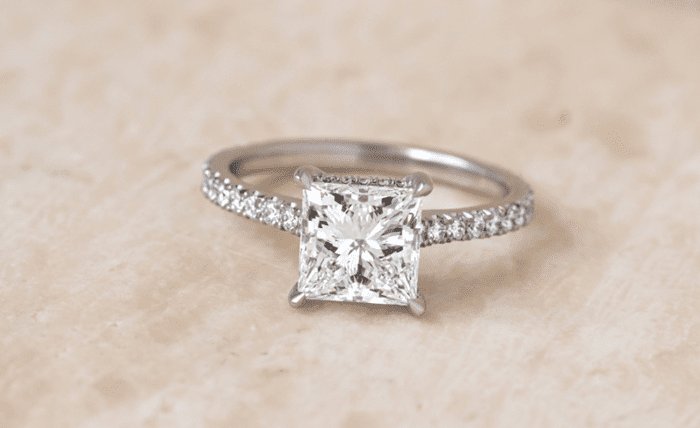
Jewellery is unusual because visual appeal dominates the buying experience, but resale is much more forensic.
The future buyer wants to know what the stone is, where it came from, how it is graded, what the setting contains, how well the piece has been maintained and whether there is strong demand for that type of jewellery.
That explains why two rings that appear almost interchangeable can end up with very different resale values.
For anyone buying purely for enjoyment, none of this needs to dominate the decision. The right ring may simply be the one that looks and feels best.
For buyers who care about future value, though, appearance is only the beginning. What sits behind the sparkle is often what matters most.