 Hi Boox Popular Magazine 2025
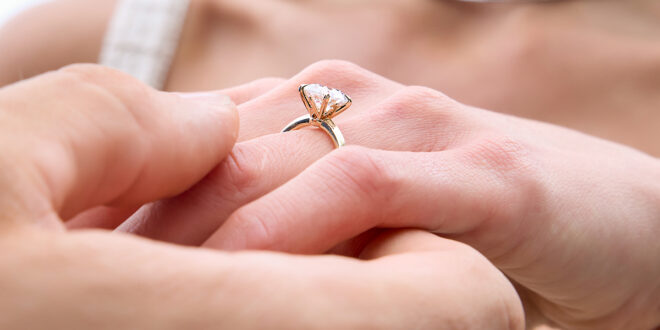
Wedding rings are no longer chosen as a final step after the engagement ring. Today, they are part of a broader design conversation; one that includes how the ring will be worn, styled, and paired over time.
This shift reflects how modern buyers approach jewelry: with attention to everyday use, flexibility, and personal style.
What’s Changing in Wedding Ring Design
| Then | Now |
|---|---|
| Plain metal bands were the default | A wide range of designs, including diamond-set, textured, and contoured bands |
| Selected after the engagement ring | Chosen alongside or even before the engagement ring |
| Focused mainly on symbolism | Balanced between symbolism, design, and wearability |
| One fixed style | Multiple styles for stacking and layering |
Ways Wedding Rings Are Evolving
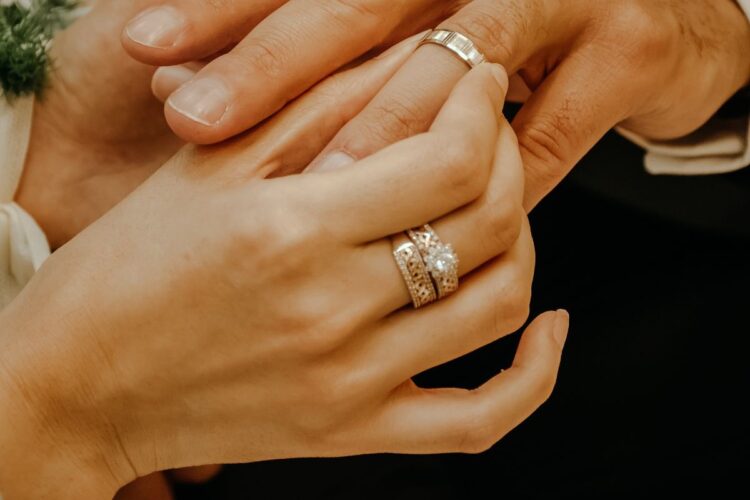
1. Designed as Part of a Set
Instead of being treated as a separate piece, wedding rings are now chosen to sit alongside engagement rings from the beginning.
- Contoured bands are shaped to fit around the engagement ring
- Straight bands are selected based on how they align with the ring’s profile
- Proportion and spacing are considered early in the process
This ensures the final combination looks cohesive rather than assembled later.
2. Expanded Design Options
Wedding bands now come in a variety of styles, allowing them to contribute more actively to the overall look.
- Pavé diamond bands for added detail
- Eternity bands for a continuous row of diamonds
- Sculpted or textured bands for subtle variation
- Minimal metal bands for a clean, structured finish
This range allows buyers to choose designs that align with their preferences rather than defaulting to a single option.
3. Integration with Stacking Trends
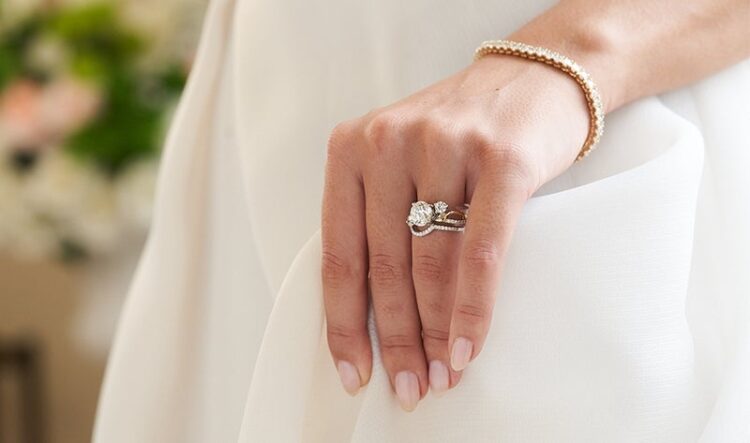
Stacking has changed how wedding rings are worn. Instead of a single band, many now build a set over time.
- Engagement ring & wedding band
- Additional bands added later to mark milestones
- Mix of textures and diamond settings within the stack
With options like lab diamond engagement rings and bands featuring cultured diamonds, it becomes easier to maintain consistency across multiple rings while exploring different designs.
4. Focus on Everyday Wear
Modern wedding rings are designed with daily use in mind.
- Lower-profile settings for comfort
- Smooth edges to prevent friction
- Balanced widths that sit naturally on the finger
This practical approach ensures the ring fits into daily routines without requiring adjustments.
5. Personal Expression Through Pairing
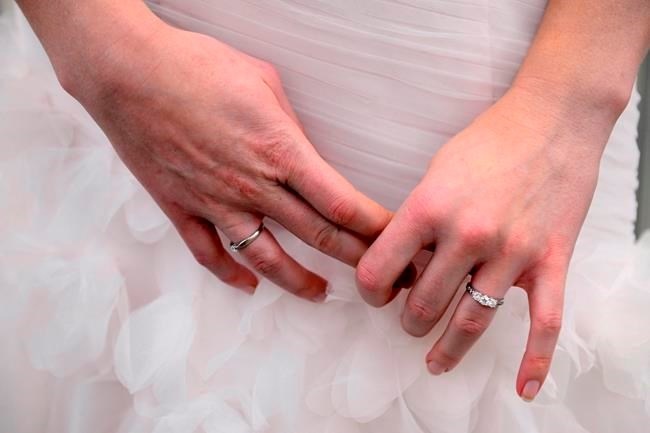
Wedding rings are now used to express individual style rather than follow a fixed formula.
Examples of pairing approaches:
- A minimal engagement ring with a detailed diamond band
- A structured engagement ring paired with a plain band
- Matching bands for a uniform look
- Contrasting designs for a more layered appearance
This flexibility allows each set to feel unique without becoming overly complex.
Popular Wedding Ring Styles Today
- Diamond pavé bands – subtle detailing across the band
- Eternity rings – diamonds set around the entire band
- Contoured bands – shaped to fit around engagement rings
- Classic metal bands – clean and minimal
- Stackable bands – designed to be worn with additional rings
Final Thought
Wedding rings are no longer just a complement to engagement rings. They are an equal part of the overall design, influencing how the set looks, feels, and functions over time.
With more styles, better integration, and options like lab diamond engagement rings and bands featuring cultured diamonds, buyers now have the flexibility to create combinations that reflect both personal style and daily wear.
For those exploring modern designs, With Clarity offers a wide range of wedding rings and complementary pieces, making it easier to build a set that feels balanced, adaptable, and aligned with how jewelry is worn today.