 Hi Boox Popular Magazine 2025
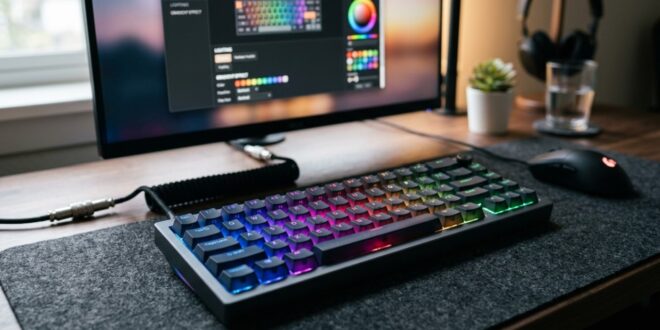
Typing is one of those everyday activities most people hardly notice until something feels off. A keyboard that looks bland, cluttered, or difficult to read can quietly affect speed, comfort, and even mood while working.
Personalizing keyboard visuals may seem like a small tweak, but it can significantly improve how pleasant and efficient your typing sessions feel.
The goal is not simply decoration. Visual customization can improve clarity, reduce eye strain, and make typing tools feel more natural. When colors, layout, and feedback align with personal preferences, the keyboard becomes easier to use for long periods.
This guide walks through practical ways to personalize keyboard visuals so that typing feels smoother, clearer, and more enjoyable without overcomplicating the process.
Why Visual Customization Makes Typing More Comfortable
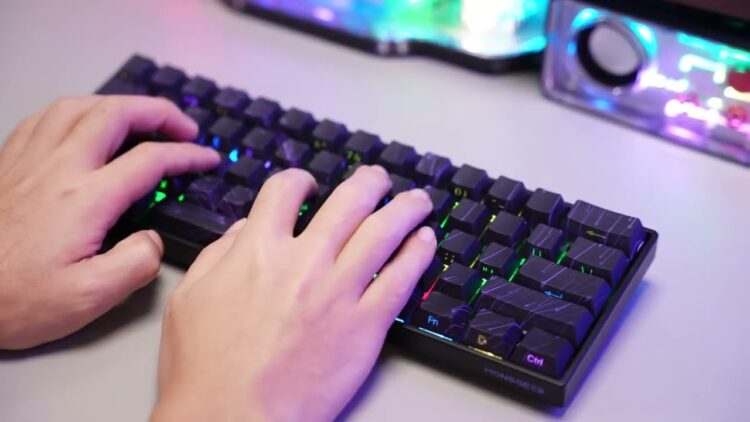
Most people adjust their chair, monitor, or lighting for comfort, yet overlook the visual design of the keyboard itself. The keyboard interface is something your eyes interact with constantly, especially when working on a laptop, tablet, or smartphone.
Small visual adjustments can make a noticeable difference during long writing sessions. Improved contrast, clearer keys, and pleasant colors reduce visual fatigue and help your brain process information faster.
A well-designed keyboard interface helps users in several ways:
- Improves readability of characters and symbols
- Reduces eye strain during long typing sessions
- Makes frequently used keys easier to locate
- Creates a more pleasant workspace environment
When the keyboard visually fits your workflow, typing begins to feel less mechanical and more fluid.
Start With a Keyboard App That Supports Visual Customization
The easiest way to personalize keyboard visuals is by using a keyboard application that supports themes and layout adjustments. Many modern keyboard tools allow users to customize colors, background styles, and key appearance.
A good example of a customizable typing platform is Sogou, which provides advanced keyboard personalization features along with AI-assisted typing.
Sogou’s AI engine easily anticipates your every thought, as a result typing is much faster and with lower number of errors. Whether it’s a quick reply or a lengthy piece, it accurately captures your expressive intent, making typing a pleasure. Here you can check 搜狗输入法官网 (Sogou input method official website).
When choosing a keyboard app, pay attention to several practical factors.
- Theme customization options
- Adjustable key size and spacing
- Font and symbol clarity
- Performance speed and stability
A customizable keyboard platform gives you the foundation needed to shape the visual experience exactly the way you prefer.
Choose Colors That Improve Readability
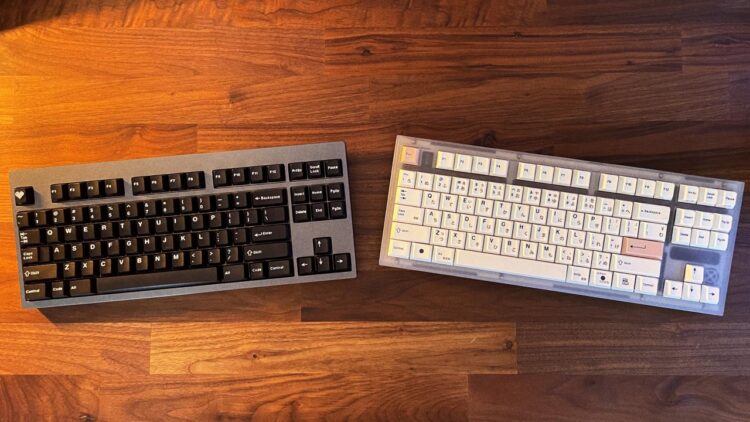
Color selection plays a larger role in typing comfort than many people realize. Strong contrast between keys and background helps characters stand out clearly, especially when typing quickly.
Dark themes are often preferred in low-light environments, while lighter themes work well in bright offices or daytime settings. The best choice usually depends on where and when you type most often.
Consider the following when selecting a color theme.
- High contrast between text and key background improves readability
- Muted tones reduce eye fatigue during long writing sessions
- Bright accent colors help identify function keys quickly
- Avoid overly saturated backgrounds that distract attention
Good color balance keeps the keyboard visually calm while still making important keys easy to identify.
Adjust Key Size and Spacing for Visual Clarity
Visual personalization is not only about color and style. The physical layout of keys on the screen also affects how comfortable the keyboard feels.
Keys that appear too small or too close together can cause typing errors. Slightly increasing spacing or resizing keys often improves accuracy and reduces frustration during fast typing sessions.
Many customizable keyboard apps allow layout adjustments that influence visual clarity.
- Increase key spacing for better finger accuracy
- Enlarge frequently used keys like space or enter
- Adjust keyboard height for easier viewing angles
- Reduce visual clutter by hiding unused symbols
A well-balanced layout helps the keyboard feel organized and easier to navigate at a glance.
Add Subtle Visual Feedback While Typing
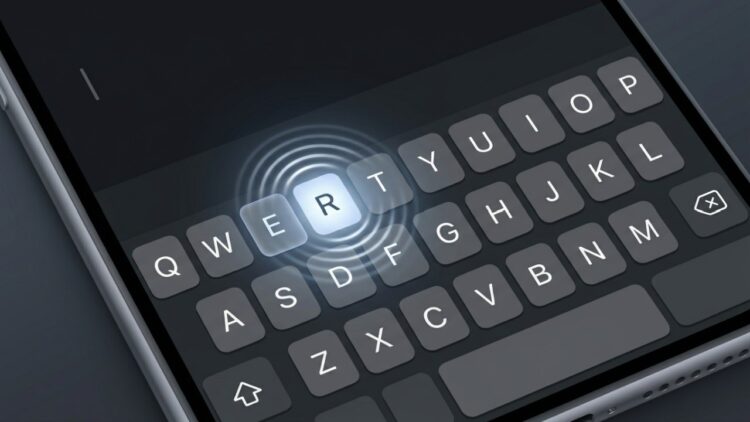
Visual feedback provides confirmation that each keystroke has been registered. Small visual responses such as key highlights or ripple effects can make typing feel more responsive.
The key is to keep these effects subtle so they enhance the experience rather than distract from the text.
Useful visual feedback settings often include:
- Key highlight animation when pressed
- Soft glow or color change on active keys
- Light vibration or motion feedback on mobile keyboards
These small visual cues create a sense of rhythm while typing, making the keyboard feel more interactive and responsive.
Personalize Fonts and Character Styles
Another overlooked customization option involves the appearance of letters themselves. Different fonts or character styles can change how easy it is to recognize symbols while typing.
Fonts with clean shapes and clear spacing tend to perform better than decorative ones. The goal is readability rather than visual novelty.
When experimenting with keyboard fonts, keep these guidelines in mind.
- Choose fonts with clear differentiation between similar characters
- Avoid overly stylized letterforms that slow recognition
- Use slightly thicker fonts if characters appear faint on screen
A clear, well-designed typeface makes the keyboard easier to read at a quick glance.
Organize Special Keys and Shortcuts
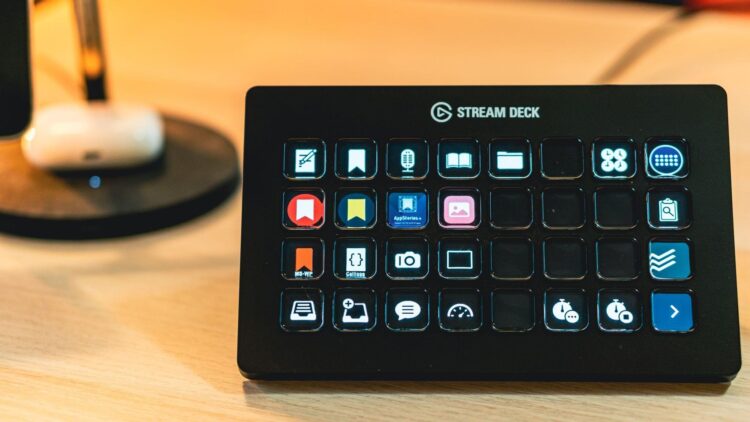
Visual organization also helps when dealing with secondary symbols, numbers, and shortcuts. If these keys appear scattered or difficult to find, the keyboard quickly becomes frustrating.
Many customizable keyboards allow users to rearrange function rows or create quick access shortcuts for frequently used symbols.
Effective organization strategies include:
- Group punctuation symbols together for faster access
- Place frequently used shortcuts near the main typing area
- Keep rarely used keys hidden in secondary menus
This approach keeps the keyboard visually clean while still giving quick access to important functions.
Maintain Simplicity to Avoid Visual Overload
Personalization works best when it enhances clarity rather than adding unnecessary decoration. A keyboard filled with bright graphics, moving backgrounds, or excessive color changes can become distracting.
Instead of trying every available theme option, focus on a few adjustments that improve comfort and usability.
A balanced keyboard design typically follows three simple principles.
- Clear character visibility
- Calm color palette
- Minimal visual distractions
Keeping visuals simple ensures that customization supports productivity instead of interfering with it.
Final Thoughts
Personalizing keyboard visuals is a simple change that can significantly improve daily typing comfort. Thoughtful adjustments to color, layout, fonts, and feedback help the keyboard feel more intuitive and easier on the eyes.
The best keyboard setup is the one that quietly supports your workflow without drawing attention to itself. When visual elements align with your preferences, typing becomes smoother and more enjoyable.
A few small customization choices today can turn an ordinary keyboard into a tool that feels truly tailored to the way you write.