 Hi Boox Popular Magazine 2025
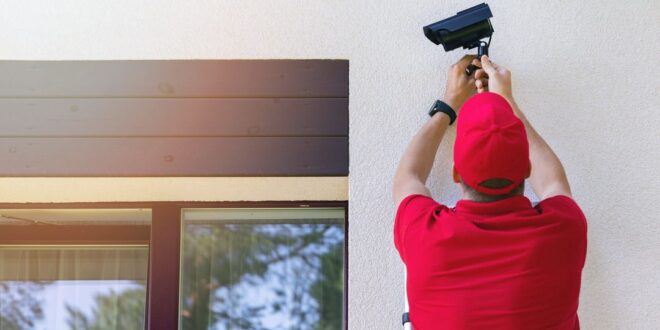
I remember home security hitting the residential market in the 1970s. Back then, and through most of the end of the 20th century, home security was reserved mainly for wealthy individuals who could afford to spend heavily on sophisticated equipment and monthly monitoring service.
However, the internet age has changed everything. Modern consumers have so many more options. As a result, security providers have had to be more competitive on price.
That begs the question: is free installation and a fair price too big an ask in modern home security? No, not really. If you’re willing to take your time to shop around and compare plans, you are almost guaranteed to find something that fits your budget.
3 Types of Home Security Systems
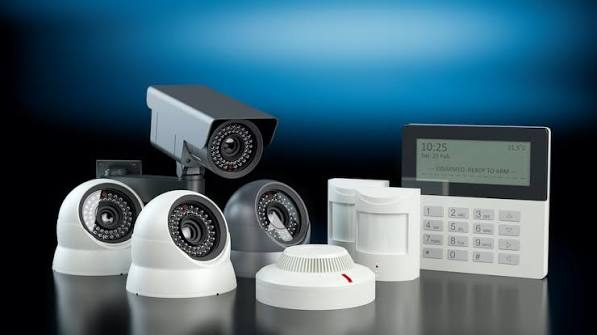
The best way to understand all the options is to look at the three primary categories nearly all home security systems fall into. This list precludes building your own system from scratch using an open-source home automation platform and a variety of devices you purchase separately. The three types of systems are:
- Fully Professional – A fully professional home security system is one installed by a major provider like Vivint or ADT. You purchase or rent the equipment through them. In return, you may or may not get free installation. Your monitoring services are also provided through the same company.
- Fully DIY – A fully DIY system is one that you purchase, install, and monitor yourself. One of the biggest names in this category is SimpliSafe. There are others. Regardless of your brand choice, you set up the system on your own. You monitor it with your smartphone.
- Hybrid System – A hybrid system is one that you install yourself before connecting it to a remote monitoring provider. You save on the installation costs by going the DIY route. However, you spend a little bit every month to have your system monitored by professionals.
Each home security category offers consumers a different price point. Fully professional systems tend to be the most expensive upfront. However, the right circumstances could dictate that a fully professional system actually saves a homeowner money in the long run.
The other two categories are pretty evenly priced in terms of purchase and installation. But the hybrid system will cost more simply because you are paying for a monthly monitoring service.
The Free Installation Component
A big part of the cost of a fully professional system is the installation. After all, the service provider has to pay the technicians along with all the costs associated with installation. This includes travel, fuel, insurance, and so forth. It can be expensive. So why would a provider offer free installation?
The amount it costs a service provider to install a home security system can be offset with monthly monitoring charges. Let’s take Vivint’s affordable HomeProtect plan. Consumers willing to sign a three-year monitoring contract get free installation with their systems. Monthly monitoring fees are also a few dollars cheaper than customers who prefer the no-contract plan.
Having that 3-year contract in place allows Vivint to offer both free installation and a significant reduction in the price of the system itself. Over the entire life of the 36-month monitoring agreement, monthly subscription fees make up the difference.
Spending Less Upfront
Play your cards right and you could spend significantly less upfront by agreeing to a multi-year monitoring contract. In the case of HomeProtect, the savings are equal to a couple of hundred dollars. That’s not chump change. But there is a trade-off: you are agreeing to a security contract that could come back to bite you (financially) if you have to cancel early.
Some people don’t like that sort of commitment. So instead, they opt for the no-contract plan. By having access to more flexible, month-to-month monitoring, they lose the discounted equipment price and free installation. So it’s a trade-off.
DIY Has Its Trade-Offs, Too
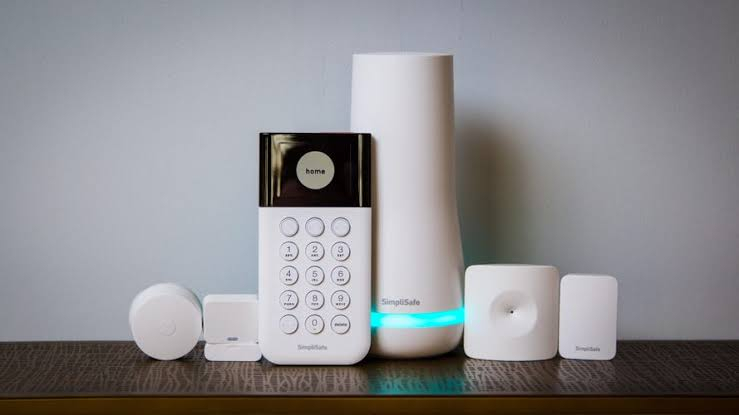
The most budget-conscious consumers might automatically opt for a DIY home security system just for the financial savings alone. Going fully DIY is absolutely a legitimate choice. By handling both installation and monitoring on your own, you really can save a chunk of money. But DIY home security has its own trade-offs.
First and foremost is the reality that you really have to know what you are doing. Although modern home security systems are wireless and don’t require any drilling or connections to your circuit panel, you still have to know your way around a wireless router. You still have to understand how Wi-Fi works.
On top of that, placement of your home security devices – like sensors and cameras – is critical to proper functioning. This is all stuff you have to learn if you do not already know it. That’s not necessarily problematic for DIYers. For many, one of the appeals of DIY is learning new skills.
The Monitoring Question
Another downside to DIY home security is having to monitor the system yourself. Initially, it might not seem like a big deal. But you might change your mind if your phone starts dinging like crazy while you are in an important meeting. Now you have to wrestle with your options: take your chances and don’t check or check your system and hope that it’s not another false alarm.
Price Is Only One Aspect
A fair price and free installation isn’t too big an ask for modern home security. But it does point to another issue: focusing on bottom-line price alone. Price is only one aspect of choosing a home security system. You also have to be honest about value.
What are you getting for your money? Installation may or may not be worth paying for, depending on the rest of your needs and preferences. So do yourself a favor and look at every option.
If you do want free installation and a lower upfront equipment cost, consider a plan that includes a monitoring contract. If you don’t want to commit to a contract, plan on spending a bit more.