 Hi Boox Popular Magazine 2025
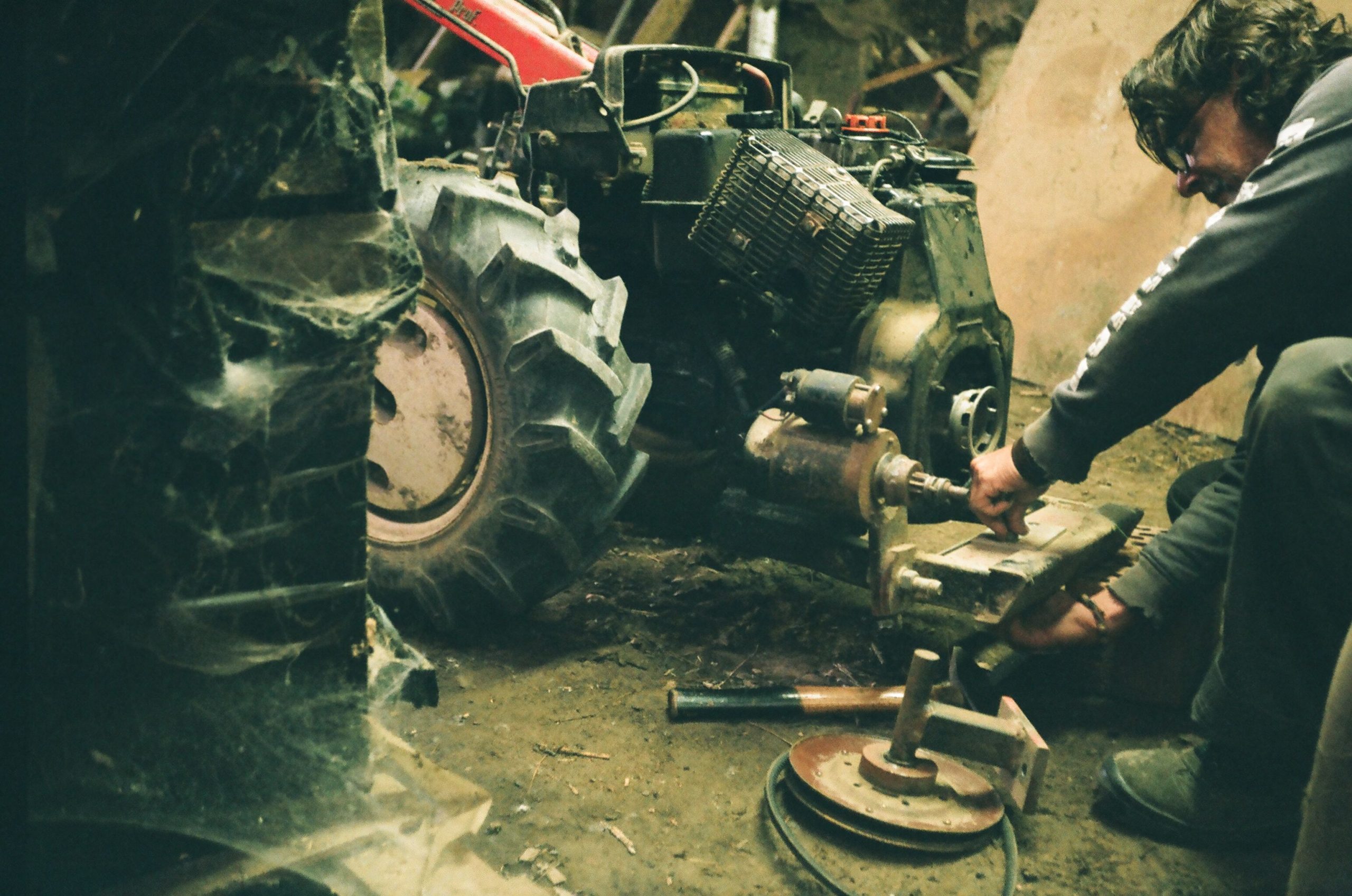
Keeping a tractor in reliable working order often comes down to making sensible choices about replacement parts. When a component fails, the obvious question is usually where to find another one, but there is another decision that matters just as much: should the replacement be new, refurbished or used?
Each option has its own advantages, and the right choice depends on the age of the tractor, the importance of the component, how intensively the machine is used and the budget available.
New Parts: The Most Straightforward Option

New parts are exactly what the name suggests. They have not previously been fitted to another machine and are generally supplied in unused condition. For critical systems or heavily worked tractors, that can make them the preferred choice because there is no previous wear to take into account.
A new component may also come with clearer specifications, packaging and warranty protection than a second-hand alternative. This can be particularly reassuring when replacing something expensive or difficult to access once fitted. If a tractor is expected to work long hours during busy periods, paying more for a new component may reduce the risk of having to repeat the same job sooner than expected.
Availability, however, can become an issue as tractors age. Manufacturers do not necessarily produce every part indefinitely, and some components for older machines become difficult or expensive to obtain through conventional dealer networks. This is where specialist suppliers such as Masseyparts can become useful, especially for owners looking for components for established Massey Ferguson models.
Used Parts: Practical and Cost-Conscious
A used part has previously been fitted to another machine and has not normally gone through a full rebuilding process before resale. It may have come from a tractor that was dismantled because of accident damage, major engine failure or simply because the machine was no longer economical to keep as a whole.
The main attraction is usually price. A serviceable used component can cost significantly less than buying the same item new, which can be particularly useful when repairing an older tractor whose overall value does not justify fitting expensive new components throughout.
Used parts can also solve availability problems. Some components that are no longer manufactured may still exist in perfectly usable condition on dismantled machines.
The trade-off is uncertainty over previous use. A used component may have years of service behind it, and its remaining life can be difficult to predict. Condition therefore matters enormously. Buyers should look for clear information about the part, check for obvious wear or damage and, where possible, confirm that it has been inspected before sale.
What Does Refurbished Actually Mean?
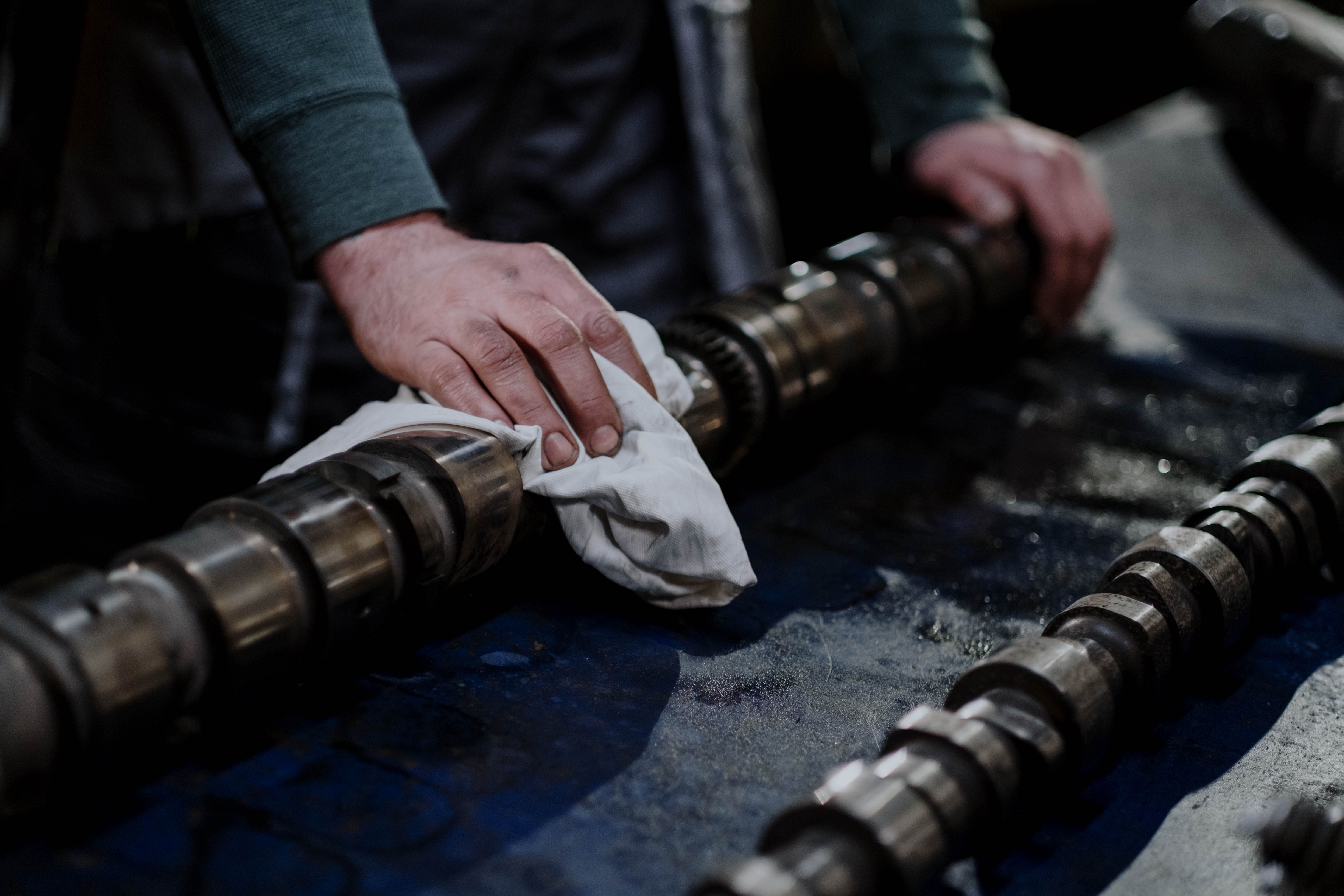
Refurbished parts sit somewhere between new and used. They have been used before, but some level of work has been carried out to restore them to a better operating condition. Depending on the component, this might involve cleaning, replacing worn internal parts, fitting new seals, testing electrical functions or rebuilding the unit more extensively.
The word “refurbished” can cover a fairly wide range of work, so it is important not to assume that every refurbished item has been rebuilt to the same standard. A professionally reconditioned starter motor, hydraulic pump or alternator may have had several wear components replaced and been tested before resale. Another item described more loosely as refurbished may simply have been cleaned and checked.
Buyers should look for details of what work has actually been carried out, whether the unit has been tested and whether any warranty is provided. When properly refurbished, these parts can offer a useful compromise between the lower cost of used components and the confidence associated with buying new.
Which Option Makes Sense for Different Repairs?
There is no universal rule saying that one type of replacement part is always best. The decision should reflect the importance of the component and the role of the tractor.
A few general considerations can help:
- New parts can make sense for safety-critical components, heavily used machines and repairs where labour is expensive enough that repeating the job would be especially inconvenient.
- Used parts can be suitable for older tractors, non-critical components or situations where the main priority is keeping repair costs proportionate to the machine’s value.
- Refurbished parts can work well when a component is expensive to buy new but can be reliably rebuilt and tested.
The condition of the tractor itself should also influence the decision. Spending a large amount on brand-new components may not be sensible if the machine has several other major problems waiting to be addressed. Equally, repeatedly fitting the cheapest available used parts to a tractor that performs essential daily work could create unnecessary downtime.
Think About the Cost of the Whole Repair
Part price is only one part of the calculation. Labour, transport, machine downtime and the inconvenience of a second failure should also be considered.
Imagine that a difficult-to-access component takes several hours to remove and replace. Saving money on a cheaper part may not look so attractive if the job has to be repeated six months later. In this situation, a new or properly refurbished component could represent better value even if its initial price is higher.
On the other hand, a simple external component that can be swapped quickly may be a perfectly reasonable candidate for a good used replacement. This is why comparing parts purely by purchase price can sometimes give a misleading picture of their true value.
Identification Matters Whatever You Buy
Whether a part is new, used or refurbished, correct identification remains essential. Tractor manufacturers often introduced changes during production runs, and two machines carrying similar model names may use different components depending on serial number, year or specification.
Part numbers are usually the safest starting point, followed by model and serial information where necessary. Photographs can help, but visual similarity alone should not be treated as proof of compatibility. Ordering the wrong component costs time as well as money, particularly when the tractor is needed urgently.
A Balanced Approach Usually Works Best
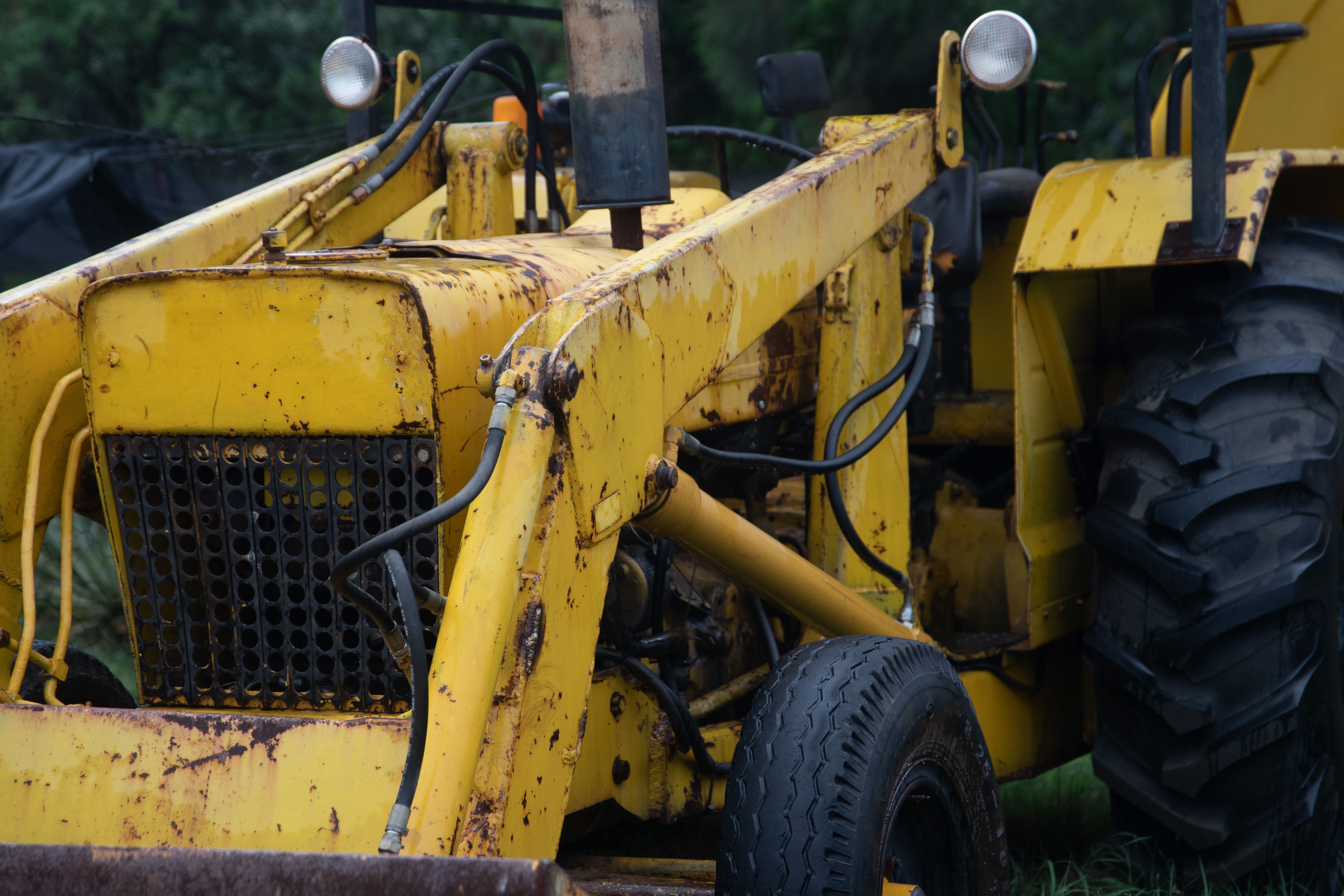
Most tractor owners do not need to commit exclusively to new, used or refurbished parts. A sensible maintenance strategy can involve all three. A new component might be chosen for one critical repair, a refurbished unit for another and a good used part for a less demanding job.
That flexibility is particularly valuable with older machinery. The aim is not necessarily to make every repair as cheaply as possible, nor to fit new parts regardless of cost. It is to choose a replacement that suits the machine, the job and the expected remaining working life of the tractor.
Understanding the differences between these three categories makes that decision easier. New parts offer the greatest certainty, used parts can deliver excellent value and availability, while refurbished components often provide a useful middle ground. Making the right choice is ultimately about balancing cost, reliability and practicality rather than assuming that one option will always be best.