 Hi Boox Popular Magazine 2025
For years, taking up a new sport as an adult could feel unnecessarily daunting. Joining a club often meant stepping into an established group, learning unfamiliar rules and trying to keep pace with people who had been playing for years.
That is beginning to change. A new generation of social sports is making physical activity feel more approachable, with padel and pickleball among the most obvious examples.
Both have grown because they offer something many adults are looking for: competition without excessive seriousness, exercise without the atmosphere of a hard training session, and enough social interaction to make playing feel like an enjoyable part of the week rather than another obligation.
Why Accessibility Matters
One of the biggest strengths of social sports is that beginners can start enjoying them quickly.
Traditional racket sports can take time to master, particularly when serving technique, court coverage and powerful strokes are involved. Padel and pickleball still reward skill, but the early learning curve tends to feel less punishing.
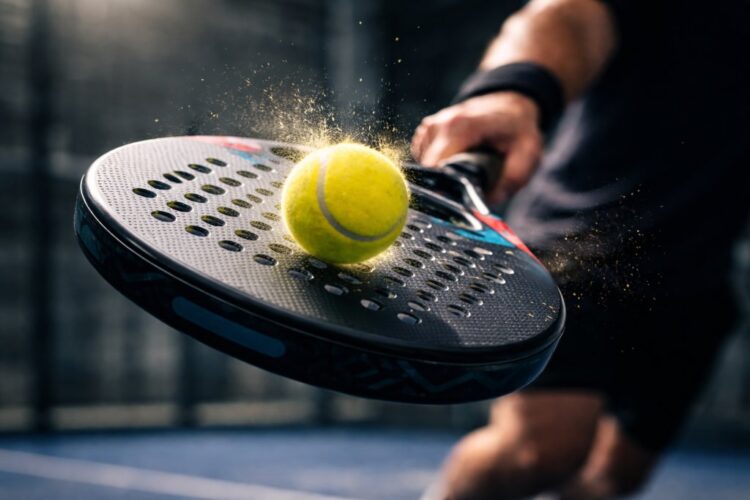
Padel is played on an enclosed court, with walls that can become part of the rally.
The smaller court and doubles format mean players have less ground to cover than they would in singles tennis, while the underarm serve removes one of the technical hurdles that can frustrate newcomers.
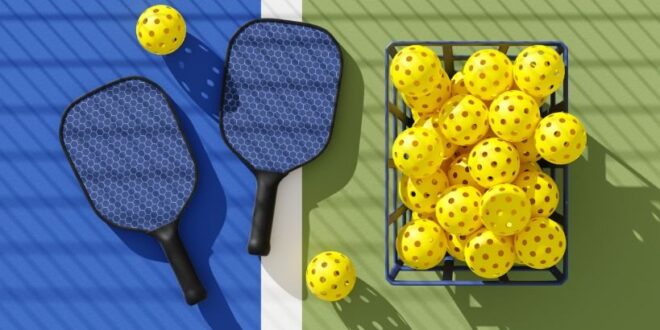
Pickleball offers a similar sense of accessibility. Its compact court, lightweight equipment and relatively straightforward rules allow inexperienced players to have proper rallies sooner than they might expect.
That early sense of achievement matters. Adults are more likely to return to an activity if the first experience gives them some enjoyment rather than an hour of repeated failure. Being able to exchange a few shots, score points and understand the basic tactics creates just enough progress to make another game appealing.
Sport With a Social Purpose
The attraction is not purely physical. Many popular modern activities work because they give people a reason to spend time together. Going for a run can be sociable, but conversation may be limited.
A gym session can easily become an individual experience, even when two people arrive together. Social sports naturally create interaction because players are constantly responding to one another.
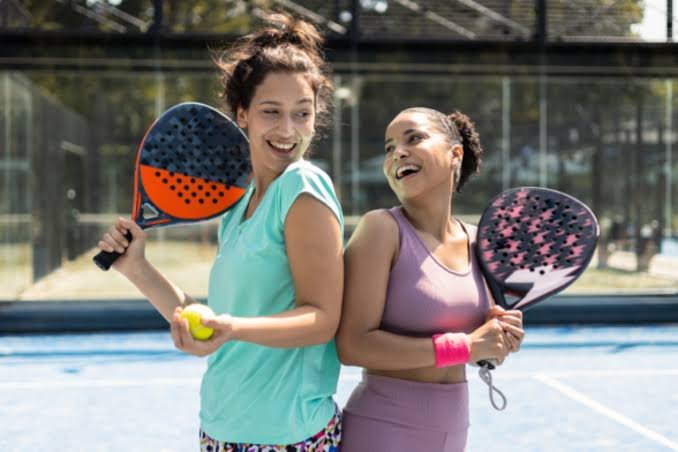
Doubles formats are particularly effective in this respect. Partners communicate, encourage each other and often laugh about mistakes between points.
When four people share a court, the activity can feel closer to a social occasion that happens to involve exercise than a conventional workout.
This quality has helped social sports appeal to friendship groups, colleagues and couples as well as people looking to make new connections.
A game has a clear beginning and end, so it is easy to fit into a day, and there is no need to dedicate an entire weekend to competition. It can be played seriously, but it does not have to be.
The atmosphere also makes ability differences easier to accommodate. While every sport becomes more demanding at higher levels, a casual game can often include players with slightly different levels of experience.
The emphasis can remain on keeping a rally going and enjoying the session rather than producing a perfect performance.
Not Everything New Has to Be Intense
The popularity of padel and pickleball also reflects a wider change in attitudes towards fitness. Exercise is increasingly being viewed as something that needs to be sustainable rather than punishing. People may still enjoy demanding workouts, but there is growing recognition that regular movement can come from many different sources.
That makes lower-pressure sporting activities valuable. An hour spent moving around a court, reacting to shots and changing direction can provide meaningful physical activity without necessarily feeling like formal exercise.
The same principle applies to table tennis, bowls, archery and golf.
They vary considerably in intensity, yet all ask participants to concentrate, develop technique and remain physically engaged.
Variety can be especially helpful for people who lose motivation when exercise becomes repetitive. Someone who dislikes treadmills may happily spend an afternoon playing several short games.
Another person may discover that the competitive element gives them a reason to move more than they otherwise would.
The best activity is often not the one that appears most demanding on paper, but the one a person actually wants to repeat.
The Appeal of Trying Several Sports
Another factor supporting the trend is the increasing opportunity to experiment. People do not necessarily want to commit to one sport immediately.
Trying several activities first can reveal whether they prefer quick reactions, tactical play, accuracy or a more leisurely pace.
This is particularly noticeable when sport becomes part of a break or leisure experience. Instead of booking a holiday around one specialist activity, people can increasingly choose destinations where several options are available in the same place.
That allows a beginner to try tennis in the morning, discover padel in the afternoon and perhaps switch to something completely different the following day.
Venues such as Manor & Ashbury Resorts illustrate why this model can work well for newcomers.
Having a broad range of sports available means visitors do not need to identify themselves as golfers, tennis players or archers before they arrive.
They can simply try an activity, decide whether they enjoy it and move on to another if it does not suit them. That low-commitment approach is well matched to the way many adults now want to experience sport.
A Gateway Back Into Being Active
Perhaps the most interesting thing about the rise of social sport is that it can bring back people who had stopped thinking of themselves as sporty.
Someone may not have played anything competitively since school, while another person may associate exercise entirely with gyms and structured fitness programmes. A casual game can challenge those assumptions.
Once people find an activity they genuinely enjoy, participation often feels easier to maintain.
They may begin by playing occasionally with friends, then book courts more regularly or become interested in improving their technique. What starts as a novelty can gradually become part of a routine.
Padel and pickleball are receiving much of the attention at present, but their success points to something bigger than the fortunes of two individual sports.
Adults appear increasingly interested in activities that are accessible, sociable and flexible enough to fit around everyday life. They want exercise to provide enjoyment as well as physical benefits.
That may ultimately be why social sports have such broad appeal. They reduce many of the barriers that once made starting something new feel uncomfortable.
There is room to compete without taking the result too seriously, to improve without needing to become an expert and to exercise without treating every session as a workout.
For a generation of adults looking for enjoyable ways to stay active, that combination is proving difficult to resist.