 Hi Boox Popular Magazine 2025
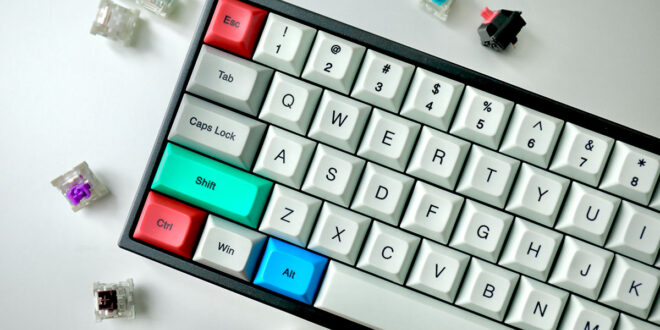
Most people think of a keyboard as a simple tool that comes with a computer. In reality, it is one of the most important pieces of equipment for daily productivity. Every email, document, message, or idea passes through it. When the keyboard feels cluttered, uncomfortable, or visually noisy, distractions appear almost instantly.
Customizing a keyboard changes that experience completely. With the right layout, switches, shortcuts, and software tools, typing becomes smoother and more intentional. A thoughtful setup reduces unnecessary friction and keeps attention where it belongs: on the task.
Below are practical ways to customize your keyboard so it helps you stay focused instead of constantly interrupting your workflow.
Why Keyboard Customization Improves Focus
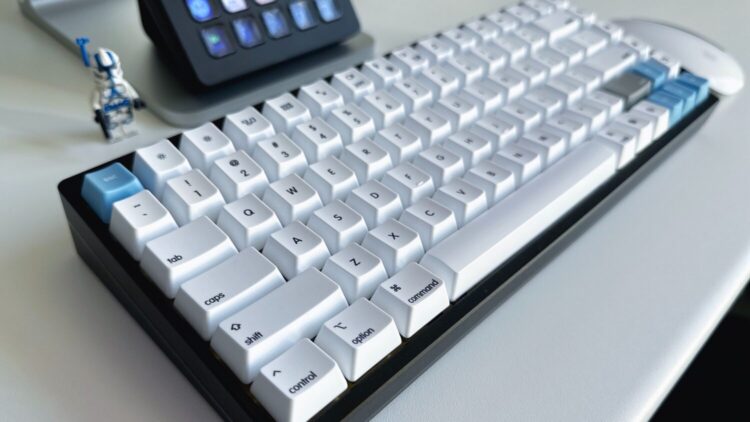
Before adjusting settings or swapping hardware, it helps to understand why keyboard customization can improve concentration. A keyboard that fits your habits reduces mental interruptions during typing.
Research on keyboard design shows that ergonomics and layout choices can influence typing comfort, speed, and fatigue levels. Better keyboard setups may also reduce strain and help maintain consistent productivity during long work sessions.
A customized keyboard helps focus because it removes friction in small but meaningful ways:
- Comfortable key feel encourages a consistent typing rhythm and reduces fatigue
• Clear layout prevents accidental key presses and distractions
• Personalized shortcuts reduce the need to reach for the mouse
• Clean visual design minimizes unnecessary stimuli on your desk
Even subtle improvements can compound across hours of work.
Mechanical keyboards are widely favored for productivity because their tactile feedback helps users type more accurately and comfortably over long periods.
Once the foundation is clear, the next step is configuring the digital side of typing.
Use Smart Input Tools To Streamline Typing
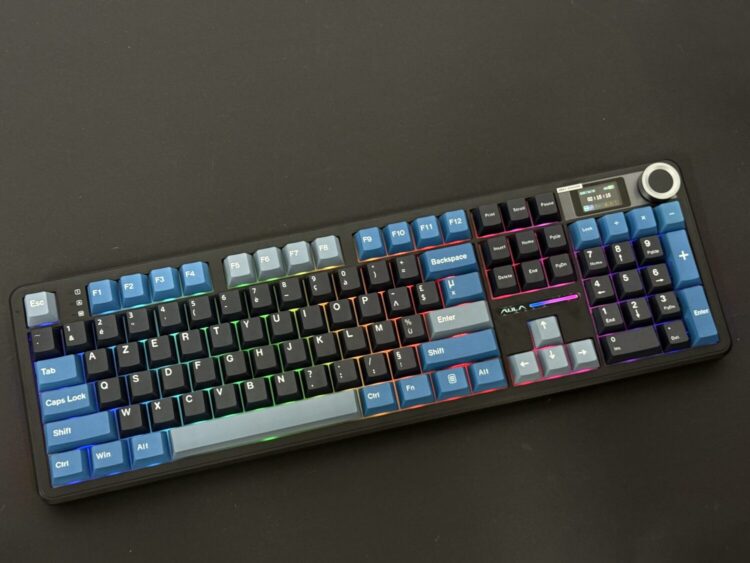
Typing software can remove a surprising number of micro-distractions. Predictive input tools, dictionaries, and phrase shortcuts reduce repetitive typing and help maintain momentum.
For users who frequently type multilingual content or complex character systems, tools like 搜狗输入法下载 can significantly improve typing efficiency. The Sogou Input Method is known for predictive text suggestions, customizable dictionaries, and adaptive learning based on typing patterns.
Instead of manually typing every character or phrase, intelligent input systems offer suggestions as you type. Over time, the software learns common expressions and vocabulary.
Some features that reduce typing interruptions include:
- Context based word predictions
- Automatic spelling corrections
- Custom phrase shortcuts for frequently used text
- Personalized dictionaries for specialized vocabulary
Sogou also allows users to customize themes and typing behavior so the interface feels comfortable and unobtrusive.
When software reduces repetitive tasks, the keyboard becomes an extension of thought rather than an obstacle.
Choose Switches That Match Your Work Style
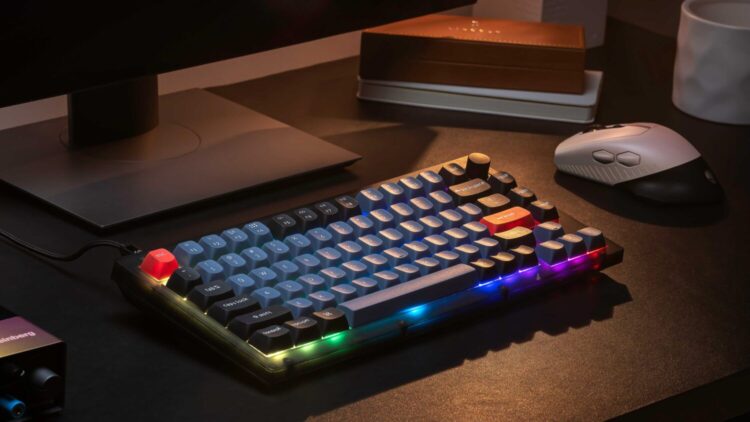
The physical feel of a keyboard has a surprisingly strong influence on focus. When keys feel inconsistent or uncomfortable, it creates constant low level friction during typing.
Mechanical keyboards are often preferred for customization because they offer different switch types that change the typing experience. Each switch style produces a different tactile response and sound profile.
The table below summarizes common switch categories and how they affect concentration.
| Switch Type | Typing Feel | Noise Level | Best For |
|---|---|---|---|
| Linear | Smooth press without tactile bump | Quiet to moderate | Long writing sessions |
| Tactile | Noticeable bump during press | Moderate | Balanced typing feedback |
| Clicky | Strong bump with audible click | Loud | Users who enjoy audible feedback |
After choosing a switch type, many keyboards allow hot swap replacements. That means switches can be changed without soldering, letting users experiment until the feel matches their workflow.
Simplify The Layout To Reduce Visual Noise
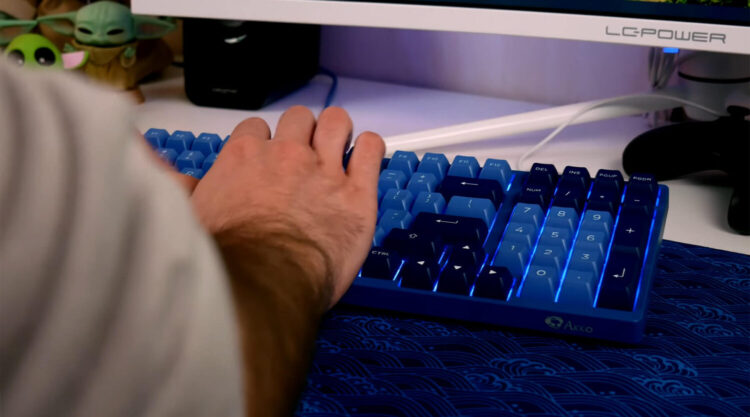
Visual distractions on a keyboard often go unnoticed until they disappear. Excessive RGB lighting, cluttered key legends, and unnecessary function keys can pull attention away from the screen.
Minimalist keyboard layouts help maintain visual calm during work sessions. Many people prefer compact formats such as 75 percent or 65 percent keyboards because they remove unused keys while keeping essential functionality.
Consider the following layout adjustments.
- Remove unused keys or macros that are never pressed
• Use neutral keycap colors rather than bright patterns
• Turn off animated RGB lighting during work sessions
• Choose clear key legends that are easy to read quickly
A simplified keyboard reduces cognitive load. Instead of scanning dozens of keys visually, the hands rely on muscle memory.
This small change makes a workspace feel quieter and more intentional.
Create Custom Shortcuts For Your Most Common Tasks
Keyboard shortcuts are one of the most powerful productivity upgrades available. When a single key combination replaces multiple clicks, workflow becomes faster and smoother.
The key is focusing on tasks that happen repeatedly throughout the day.
Examples of useful shortcut customization include:
- Launching frequently used apps with one key combination
• Inserting email templates or common responses
• Switching between windows or workspaces instantly
• Controlling media or notifications without leaving the keyboard
Many mechanical keyboards support macro layers. This means a single key can trigger a sequence of actions, such as opening a document and starting a timer.
With enough customization, the keyboard becomes a command center rather than just a typing device.
Adjust Keycaps And Texture For Better Muscle Memory
Keycaps may seem like a cosmetic upgrade, but they can also affect focus and typing accuracy.
Different keycap shapes guide finger placement and improve tactile orientation on the keyboard. When fingers recognize key positions automatically, typing becomes faster and more fluid.
Some practical customization options include:
- Sculpted keycap profiles that guide finger movement
• Textured keycaps on important keys such as Esc or Enter
• Matte finishes that reduce finger slip during long sessions
Did you know?
Many mechanical keyboards allow users to change keycaps without tools, making experimentation easy and affordable.
Small tactile differences help hands stay oriented on the keyboard without constantly glancing down.
A Keyboard That Supports Your Attention
Customizing a keyboard is not about aesthetics alone. It is about removing the small obstacles that interrupt concentration during daily work.
When the switches feel right, shortcuts match your habits, and typing software anticipates your needs, the keyboard fades into the background. That is the real goal. The tool disappears and the work takes center stage.
Over time, a thoughtfully customized keyboard becomes one of the most effective productivity upgrades you can make. It helps maintain flow, reduces unnecessary interruptions, and keeps focus exactly where it should be: on the ideas you are trying to express.